
Fun with Easter Egg Software: Hidden Features You Didn’t Know About
Technology is full of surprises, and sometimes, developers like to hide playful secrets inside their work. These surprises are called Easter eggs. When hidden inside apps, games, or systems, they are known as easter egg software. From fun mini-games to quirky animations, these features add charm and curiosity to the digital world. They show that even serious technology has a playful side.
What Is Easter Egg Software?
Easter egg software refers to hidden programs, jokes, or interactive features hidden within applications, games, or even operating systems. They are not part of the core function but are included for fun. For example, typing certain commands in Google search can unlock hidden tricks. These secret additions create excitement among users who discover them accidentally or through communities. Some modern guides—like those found in tech insights—also explain how hidden features shape user experience.
Why Do Developers Add Easter Eggs?
Developers add easter eggs for different reasons. Some include them as a signature or a playful reward for users who dig deeper. Others see it as a way to test creativity or leave behind a small personal mark in big projects. In many cases, easter egg software strengthens the bond between creators and users, showing a sense of humor behind the code. This is similar to how software trends often highlight the evolving culture of development.
Famous Examples of Easter Egg Software
Many popular apps and platforms include easter eggs. Here are some fun examples:
| Software/App | Easter Egg Example | How It Works |
| Google Search | “Do a Barrel Roll” | Page spins 360 degrees |
| Microsoft Excel | Flight simulator (older versions) | Hidden game inside spreadsheets |
| Android OS | Version-themed hidden games | Each release had a unique interactive element |
| YouTube | “Use the Force Luke” search trick | Video page responds to mouse movement |
| Chrome Browser | Dinosaur Game | Offline mini-game when internet is down |
These examples show that easter eggs range from small tricks to full games.
Google and Its Playful Easter Eggs
Google is known for hiding countless easter eggs. A simple search for “Askew” tilts your screen. The search “Zerg Rush” once started a fun clicking game. Even the Chrome browser’s offline dinosaur game has become a classic. These hidden gems show that serious search tools can also be entertaining. Easter egg software keeps users curious and engaged with new surprises.
Microsoft’s Easter Egg Legacy
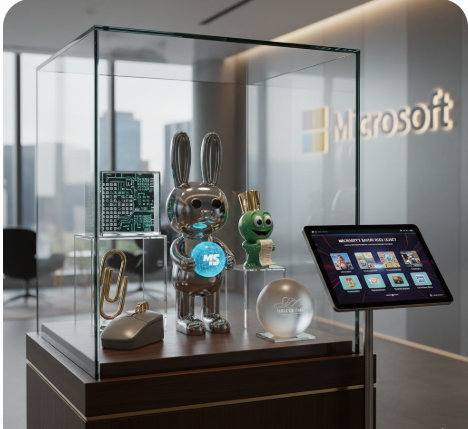
Microsoft has a long history with easter eggs. Classic programs like Excel once hid a flight simulator, and Word featured quirky animations. These secrets were mostly phased out for security reasons, but they left a big mark on software culture. People still remember these surprises fondly, proving how powerful fun in technology can be.
The Role of Easter Eggs in Gaming
Video games often include the most creative easter eggs. Developers hide hidden levels, secret characters, or references to other games. For example, in the “Grand Theft Auto” series, players discover hidden jokes and locations. In “Minecraft,” secret mobs and hidden codes add extra fun. These easter eggs encourage players to explore deeper, making gameplay even more engaging.
Are Easter Eggs Still Common in 2025?
Yes, easter eggs are still around but less common than before. Security rules and corporate policies limit developers from adding them freely. Still, many apps, games, and even websites continue the tradition. Easter egg software today is usually lighter, safer, and designed with modern audiences in mind. It proves that curiosity and exploration are still valued in digital spaces.
Benefits of Easter Egg Software
Even though they are not essential, easter eggs bring benefits to both developers and users.
- Boosts engagement: Users spend more time exploring.
- Creates community buzz: People share findings online.
- Builds brand personality: Shows a human side of technology.
- Rewards curiosity: Encourages users to explore beyond normal features.
Easter eggs may be small, but they create lasting joy and memories.
Easter Egg Software vs. Regular Features
| Aspect | Easter Egg Software | Regular Software Features |
| Purpose | Fun, surprise, playful interaction | Core functionality and performance |
| Visibility | Hidden, discovered by chance | Clearly available to all users |
| Security Concern | Sometimes restricted due to safety issues | Usually tested and approved features |
| Impact on Users | Creates excitement and curiosity | Provides daily usability and purpose |
This table shows how easter eggs differ from standard features but still add value in unique ways.
Future of Easter Egg Software

The future of easter egg software may evolve with virtual reality, augmented reality, and AI-based platforms. Instead of simple tricks, users may discover hidden 3D experiences or interactive stories inside apps. While corporate policies may restrict hidden features, creative developers will continue to find new ways to surprise audiences. The playful tradition of software easter eggs is not going away anytime soon.
Conclusion
Easter eggs remind us that technology is not just about efficiency but also about creativity and fun. Easter egg software has entertained users for decades, from Google’s playful tricks to hidden games in operating systems. As digital tools grow, so will the ways developers add hidden surprises. Whether big or small, these secrets continue to make technology more human and engaging.
FAQS
Q1. What is easter egg software?
Easter egg software is a hidden feature, joke, or interactive trick inside programs, apps, or games.
Q2. Why are easter eggs added to software?
They are added to surprise users, reward curiosity, and add a playful touch to technology.
Q3. Are software easter eggs safe?
Most easter eggs are harmless, but some were phased out for security reasons in modern apps.
Q4. Which companies use easter eggs most?
Google, Microsoft, YouTube, and gaming studios are well-known for hiding creative easter eggs.
Q5. Will easter egg software exist in the future?
Yes, developers continue adding them in creative ways, especially in games, VR, and apps.