
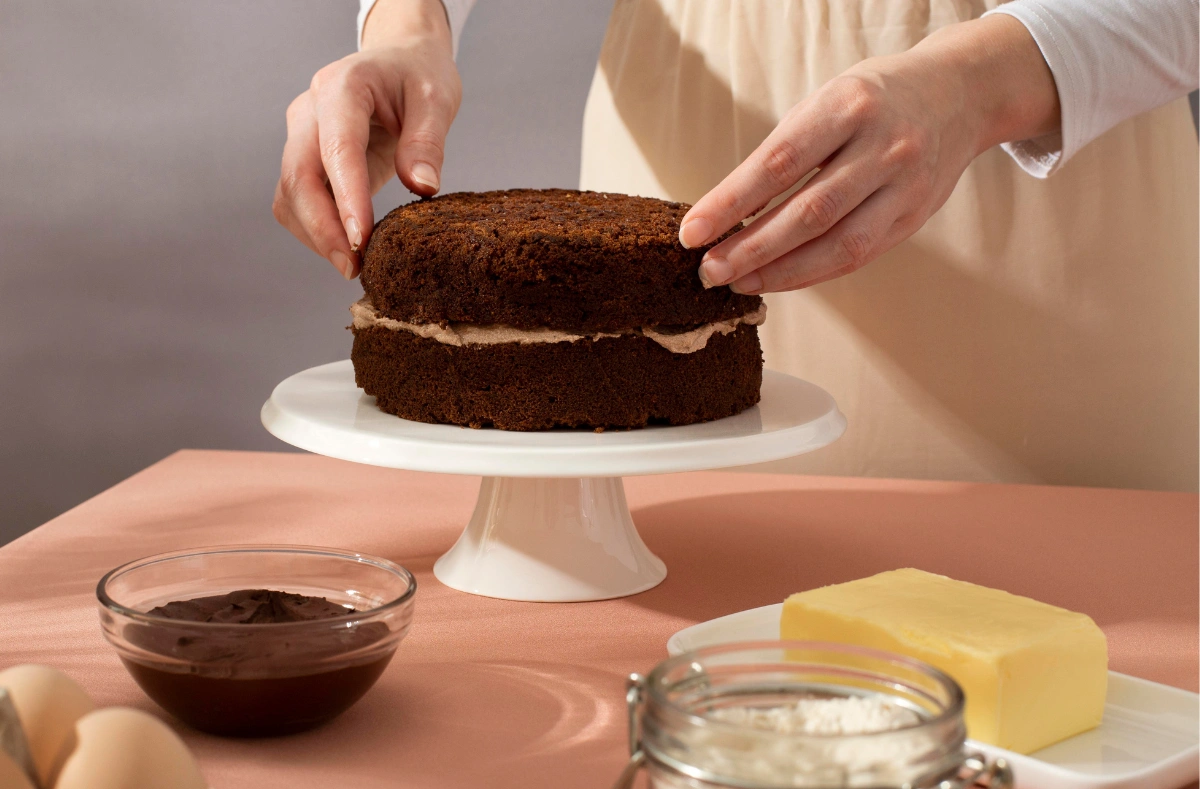
How to Make Entremet: Ultimate Pastry Guide for Beginners
If you’re wondering how to make entremet, you’re stepping into the elegant world of French pastry. An entremet is not just a cake — it’s a finely layered dessert that combines texture, taste, and artistry. Originally, the word entremet referred to a dish served between courses in medieval France. Today, it refers to a multi-layer mousse cake crafted with precision.
Modern entremets usually consist of a light sponge base, creamy mousse, and “inserts” like jelly, compote, or crunchy praline. These elements are assembled together and coated with a glossy mirror glaze that gives the dessert its signature shine. Making an entremet requires skill, patience, and the right tools, but the reward is a dessert that tastes as impressive as it looks. Every bite offers a balance of textures, from soft mousse to crunchy layers, creating a memorable experience.
Why Is an Entremet So Special?
Making an entremet is like building a tiny, edible sculpture. You layer different textures: soft mousse, firm jelly, crispy praline, and sponge cake. Because of this complexity, entremets are considered a high-level French pastry. Unlike a typical cake, the structure of an entremet depends on freezing and assembling in a mold, so each layer stays intact. The mirror glaze at the end not only makes it visually stunning but also helps hold the dessert’s form.
Entremets allow for creative freedom. You can experiment with flavors, colors, and shapes to craft unique desserts for celebrations or special occasions. The contrast between the layers makes each bite a journey, balancing sweetness, acidity, and textures perfectly.
Step‑by‑Step: How to Make Entremet at Home
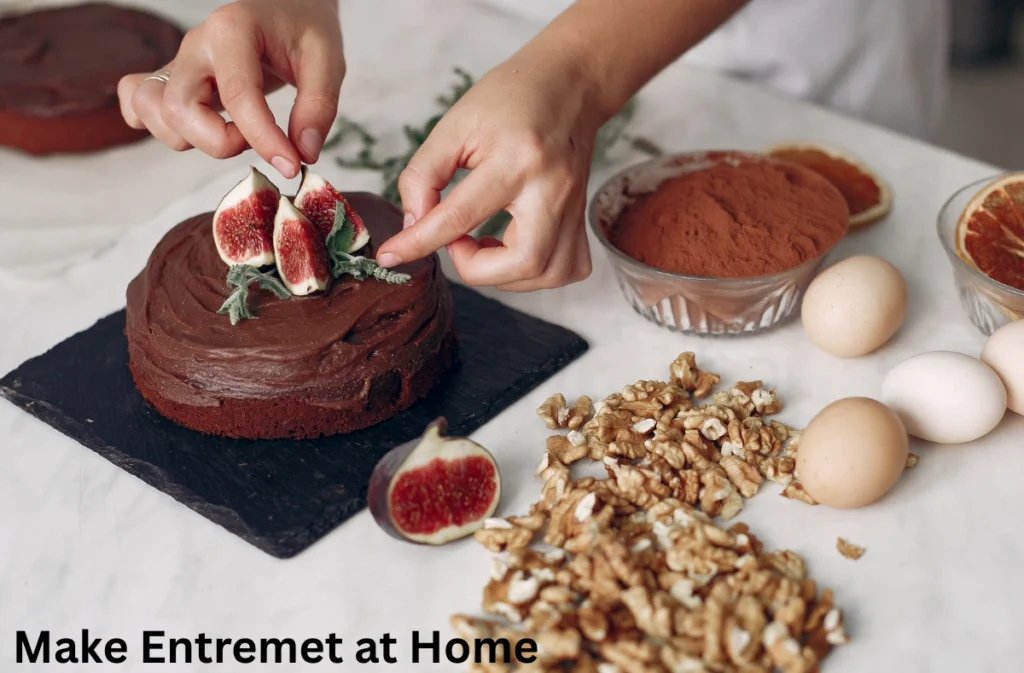
Here is a simple, step‑by‑step guide to how make entremet in your own kitchen.
1. Plan Your Layers
First, decide which layers you want: a sponge base, a crunchy praline, a fruit jelly, and a mousse are common. Think about flavors that complement — for example, chocolate mousse pairs well with hazelnut praline, while berry jelly suits vanilla mousse. Planning your flavors in advance ensures each layer works together and avoids overwhelming taste combinations.
2. Prepare Inserts
Create your individual inserts. For example, make a jelly or fruit compote and pour it into a ring or mold, then freeze until firm. For a crunchy layer, mix feuilletine (thin crispy flakes) with melted chocolate. This step adds contrasting textures to your entremet, making it more interesting and satisfying to eat.
3. Make the Mousse
Whip a mousse using cream, flavoring, and sometimes gelatin to ensure it has enough strength. The mousse acts as the “body” of the entremet, holding the inserts in place during assembly. You can choose classic chocolate, fruit-flavored, or nut-based mousses depending on your taste preference.
4. Bake or Prepare the Base
Bake a thin sponge cake or biscuit base. This forms the bottom layer of your entremet. Once cooked, you can brush it with syrup to add moisture and flavor. A well-prepared base ensures the dessert doesn’t collapse and complements the other textures.
5. Assemble in a Mold
Use a silicone mold or cake ring for assembly. First, add a layer of mousse, then insert your frozen layers (jelly, praline, cake), and finish with more mousse around. Once assembled, freeze the entire cake solid. Freezing is critical — it helps everything stay together when unmolding.
6. Glazing
After the cake is frozen solid, warm your mirror glaze (usually made with gelatin, sugar, and white chocolate) to the correct temperature and pour it evenly over the surface. The cold cake makes the glaze set quickly and smoothly, giving the dessert a flawless glossy finish.
7. Decorate and Finish
When the glaze sets, decorate your entremet with edible decorations like chocolate shards, fruit slices, or gold leaf. Then, refrigerate before serving so that your layers soften slightly while still holding their shape. Creative decoration enhances the visual appeal and makes the dessert feel luxurious.
Key Tips When Learning How to Make Entremet
Making entremet can feel challenging, but these tips will make the process smoother:
- Use gelatin or a stabilizer in your mousse to keep layers firm.
- Work in a cool kitchen, or chill your tools; this helps mousse and glaze stay stable.
- Freeze between steps — freeze inserts and then the fully assembled cake for clean layers.
- Use a silicone mold or cake ring for easier unmolding.
- Let the glaze cool to the correct temperature before pouring to avoid melting layers.
These small steps can make a huge difference and ensure your first entremet is successful.
Table: Common Components of an Entremet
| Component | Purpose / Role |
|---|---|
| Sponge base | Provides structure and a soft foundation for layers. |
| Mousse | Adds light texture and carries the main flavor. |
| Insert (jelly or compote) | Brings flavor contrast and a refreshing burst. |
| Crunchy layer (praline/feuilletine) | Provides texture and a satisfying crunch. |
| Mirror glaze | Creates a glossy finish and helps maintain shape. |
| Decorations | Enhances visual appeal and final presentation. |
Common Mistakes and How to Avoid Them
New pastry makers often encounter these common mistakes:
- Mousse too soft — Without enough stabilizer, layers collapse. Use gelatin to fix this.
- Glaze too hot — Pouring hot glaze can melt the mousse. Always cool to the proper temperature.
- Skipping freezing — Not freezing inserts or the whole cake causes messy layers.
- Using the wrong mold — A flexible silicone mold works best for easy unmolding.
Understanding these pitfalls ensures your entremet looks and tastes professional.
Why Learn How to Make Entremet?
Learning how to make entremet goes beyond baking a dessert; it teaches artistry, patience, and precision. You learn essential pastry skills like stabilizing mousse, creating smooth glazes, and layering flavors thoughtfully. Once mastered, you can customize entremets with seasonal fruits, chocolates, or nuts. They are perfect for celebrations, gifts, or personal enjoyment. Preparing entremets ahead of time also makes them practical since they can be frozen and served later.
Conclusion
Mastering how to make entremet is both a challenge and a joy. The process involves careful planning, freezing, precise layering, and finishing with a mirror glaze. Each step contributes to a dessert that is not only delicious but visually stunning. With practice, patience, and creativity, anyone can learn to create professional-looking entremets at home. Start small, focus on one flavor combination, and gradually explore new textures and techniques. By doing so, you’ll not only impress your guests but also gain confidence in French pastry skills that last a lifetime.
FAQs
Q: Can I skip freezing when making an entremet?
A: No, freezing is essential. It keeps layers firm and makes unmolding easier.
Q: How long does an entremet last in the fridge?
A: A finished entremet can usually be stored for 2–3 days, depending on ingredients.
Q: Do I need gelatin to make an entremet?
A: Yes. Gelatin stabilizes mousse and glaze, giving the dessert structure.
Q: Can I make a fruit entremet instead of chocolate?
A: Absolutely! Use fruit mousse, jelly inserts, and fruit puree glaze for a fresh version.
Q: Is entremet the same as a cake?
A: Not exactly. Entremets rely on mousse, inserts, and glaze, making them more delicate and structured than traditional cakes.