Lithuanian Culture and Nature A Complete Guide to Sodziu Insights
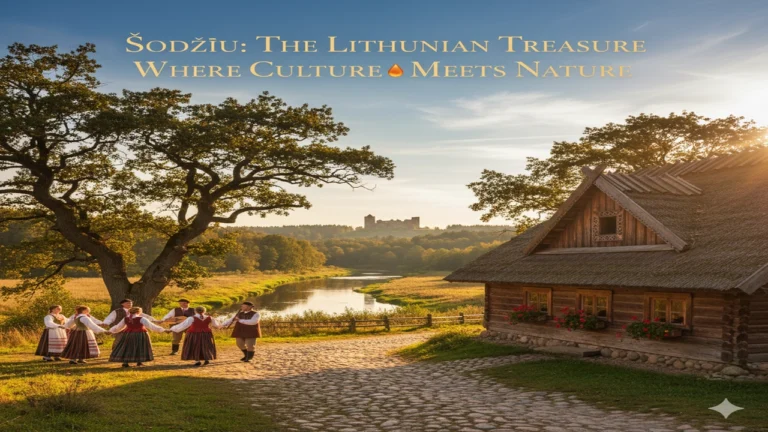
Lithuania is a country where traditions and landscapes blend so naturally that you feel culture in every forest and lake. The phrase Lithuanian Culture and Nature describes this powerful connection. People here grew up honoring trees, lakes, and old songs. Their festivals, stories, and daily habits all come from the land around them in a very beautiful way.
Understanding the Heart of Lithuanian Culture
Lithuanian culture comes from very ancient roots that existed long before modern cities. Early Lithuanians believed nature had soul and spirit. They saw forests as sacred and lakes as places of peace. This belief shaped their songs, their art, and their celebrations. Even today the country holds festivals that celebrate the sun, seasons, and the beauty of the land.
Folk songs, called sutartinės, are one of Lithuania’s oldest traditions. These songs use repeating patterns and teamwork, showing how important unity and community have always been to Lithuanians. The melodies often talk about rain, birds, rivers, and farming life, which shows the strong link between people and nature.
Festivals That Celebrate the Land
Lithuanian festivals make culture feel alive. Joninės, the Midsummer celebration, is one of the most loved events. People gather in open fields, make flower wreaths, jump over fires, and stay awake until sunrise. These activities come from old beliefs that light, fire, and water protect people and the land.
Another festival, Užgavėnės, takes place before Lent. People wear masks, make noise, and celebrate the end of winter. These joyful traditions show how culture uses nature and seasons to guide the rhythm of life.
Crafts That Reflect Nature
Traditional Lithuanian crafts also show nature’s influence. Wood carving is very common, and many carved pieces show leaves, suns, birds, and natural shapes. Amber jewelry is also important because amber comes from the Baltic Sea and is often called “the gold of the North.”
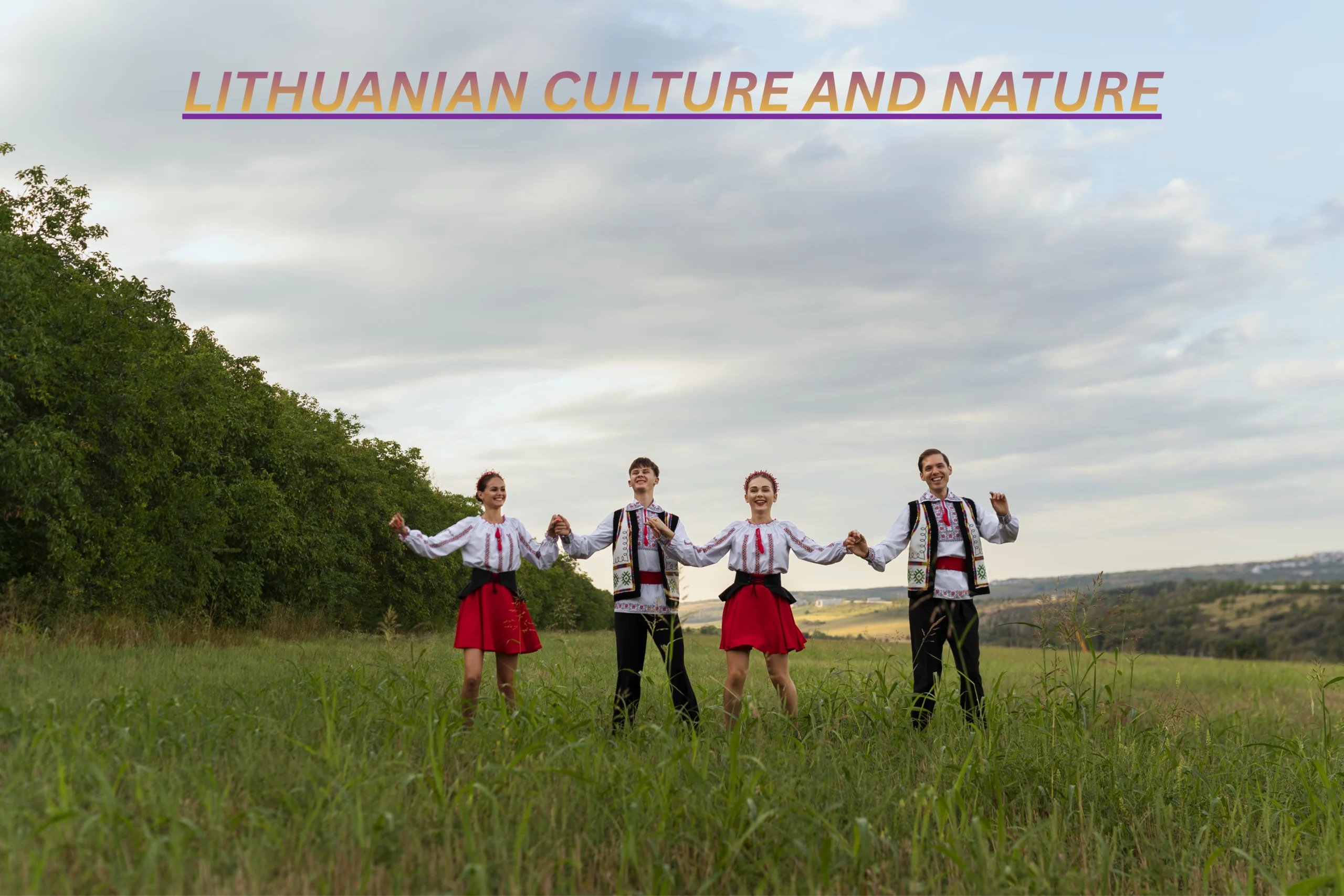
Folk costumes reflect patterns inspired by fields, stars, and plants. Every color and line has meaning. Red may symbolize life, green may show forest energy, and white often represents purity. These designs are passed from one generation to another.
Nature Everywhere in Lithuania
To understand Lithuanian Culture and Nature, you must explore the country’s landscapes. Lithuania is one of the greenest countries in Europe. Forests cover a large part of the land, and many lakes sparkle across the country. People enjoy going into nature because it gives them peace, fresh air, and a chance to connect with tradition.
Vilnius, the capital, is often called a city inside a forest. Parks and rivers shape daily life. You can walk a few minutes from the busy town and suddenly find yourself surrounded by trees and birds. This closeness to nature makes the lifestyle warm and calm.
Famous Natural Regions of Lithuania
Lithuania has national and regional parks that protect forests, dunes, marshes, and lakes. These parks help people enjoy the outdoors while also learning about history and culture.
Below is a useful table showing key parks and what they offer:
| Region / Park | Natural Features | Cultural Highlights |
|---|---|---|
| Trakai Historical National Park | Many lakes, forest hills | Island castle, old traditions |
| Dzūkija National Park | Pine forests, rivers | Folk villages, mushroom picking |
| Labanoras Regional Park | Dozens of lakes | Wooden homes, old crafts |
| Curonian Spit | Sand dunes, beaches | Fishing culture, folklore |
| Čepkeliai Marsh | Wetlands, rare animals | Ancient landscapes, nature learning |
Each place shows how deeply culture and land are tied together.
Why Lithuanians Respect Nature
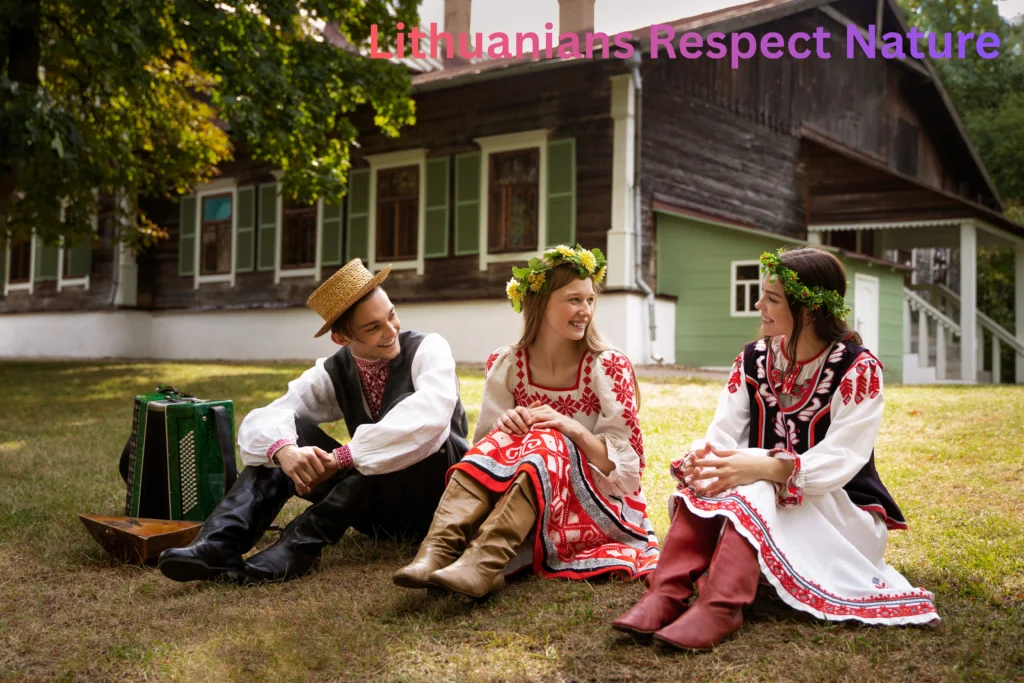
Nature is a real part of everyday life in Lithuania. Many people go walking in the forest after work or spend weekends by a lake. Mushroom picking in autumn is more than a hobby—it is a tradition shared by families. Children learn early to respect trees, animals, and natural spaces because these places are linked to stories and identity.
Lithuanians believe time spent in nature heals stress and strengthens the spirit. This idea comes from ancient times, and today science supports it too. People feel more focused, calm, and positive after time outdoors.
The Role of Lithuanian Culture and Nature in Daily Life
The connection between Lithuanian Culture and Nature shapes the way people live. Many homes have small gardens, even in cities. Families grow herbs, flowers, and vegetables. This simple lifestyle teaches patience, care, and gratitude.
Even modern celebrations keep a close link with nature. Many weddings include outdoor blessings. Holidays often involve natural decorations like straw, greenery, or flowers. This respect shows how culture honors the past while embracing the present.
How Sodziu Insights Help Us Understand Lithuania
The word Sodziu refers to wisdom or meaningful insight. To understand Lithuania deeply, you must look at culture with careful thought. Sodziu insights teach that land and people grow together. When forests stay healthy, culture stays strong. When traditions stay alive, people continue to feel connected to their roots.
This philosophy helps tourists, students, and culture lovers see Lithuania with open eyes. Instead of just visiting places, you begin to feel their meaning.
Modern Challenges and Cultural Renewal
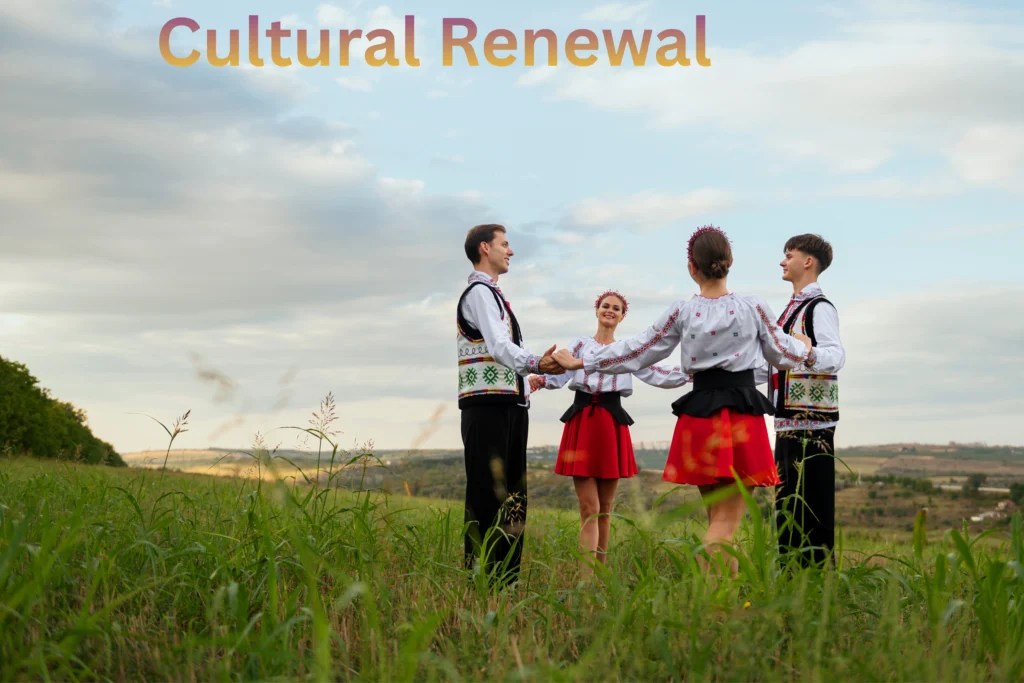
Like all countries, Lithuania faces challenges. Technology and busy schedules sometimes pull people away from traditions. Some ancient crafts risk disappearing. Forests and wetlands also need protection from modern changes.
However, the country works hard to protect both culture and nature. Schools teach children folk songs and environmental care. Communities hold festivals that keep traditions alive. Parks offer guided walks to show the magic of forests and dunes. These efforts ensure that Lithuanian Culture and Nature stay strong for many generations.
Conclusion
Lithuania is a country where stories, songs, trees, and lakes form one beautiful world. The bond between people and nature is deep and meaningful. Exploring Lithuania means hearing old songs, seeing green forests, and feeling peaceful moments that connect the past with the present.
If you wish to understand real culture, you must walk the land, listen to local stories, and feel the calm of nature. This is the true Sodziu insight—a way to see life with respect and wonder.
FAQs
Q1: What makes Lithuanian Culture and Nature unique?
They are deeply connected, with traditions, stories, and celebrations all shaped by forests, lakes, and seasons.
Q2: Why do Lithuanians love nature so much?
Nature has been part of their lifestyle and beliefs for centuries, offering peace, identity, and inspiration.
Q3: What cultural festivals should visitors experience?
Joninės (Midsummer) and Užgavėnės (end-of-winter celebration) show the spirit of Lithuanian traditions.
Q4: What are the best natural places to visit?
The Curonian Spit, Trakai Park, Dzūkija Park, and Labanoras forests are popular and beautiful.
Q5: How does nature influence Lithuanian crafts?
Patterns, colors, and designs in carvings, sashes, and amber jewelry come from plants, animals, and natural symbols.