How to Best Camouflage Gear: Tarnplanen Guide
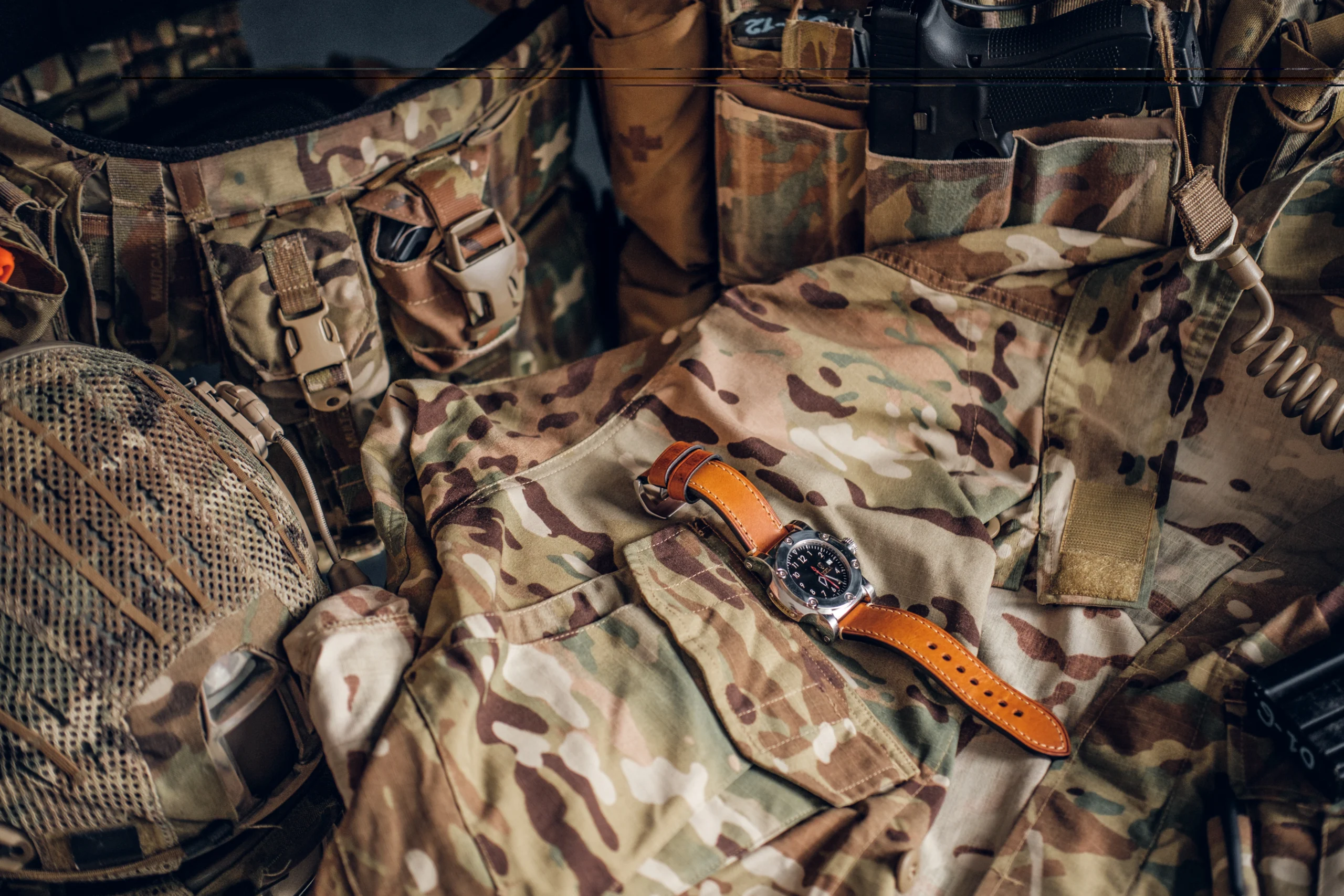
Camouflage gear is essential for anyone who spends time outdoors, whether for hunting, camping, survival training, or tactical activities. One of the most versatile types of camouflage equipment is the tarnplanen, or camouflage tarpaulin. Originally used in military settings, tarnplanen are now popular among outdoor enthusiasts who need reliable, weather-resistant, and concealing gear. Choosing the right camouflage gear can mean the difference between being detected or remaining unnoticed in the environment.
What Is Tarnplanen and Why It’s Important
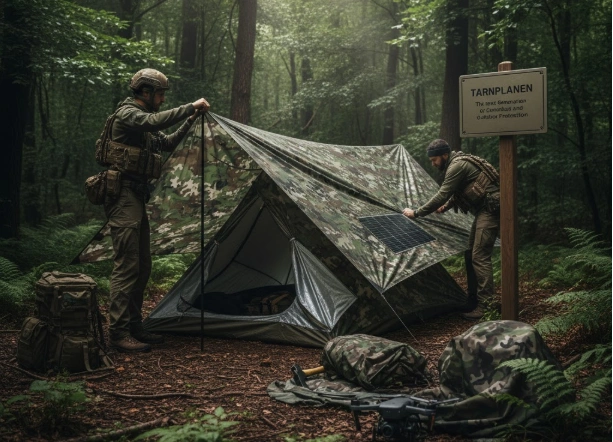
Tarnplanen are specialized tarps with printed camouflage patterns designed to blend with natural surroundings. The word comes from German, where “Tarn” means camouflage and “Planen” refers to tarpaulins. Modern versions of these tarps are made from durable materials that are water-resistant, UV-resistant, and built to withstand rough outdoor conditions.
High-quality tarnplanen are not just for hiding equipment. They also protect gear from rain, dust, and sunlight while offering flexibility for use as a shelter, ground cover, or improvised blind. When selecting camouflage gear, focusing on durability, pattern, and material ensures that the equipment will perform effectively in the field.
Key Features of Effective Tarnplanen
When selecting tarnplanen, consider several key features:
Material Quality
The best camouflage gear is made from robust materials such as polyethylene, polyester, ripstop nylon, or PVC-coated canvas. Polyethylene options are lightweight and water-resistant, making them ideal for backpacking or hunting. Canvas or PVC-coated tarps offer greater durability for long-term use or heavy-duty applications. Choosing the right material depends on the expected environment and your usage needs.
Camouflage Pattern
Selecting an appropriate camouflage pattern is essential for blending with your surroundings. Patterns vary from woodland and desert to urban and snow. Some tarps feature digital camo designs for multi-environment adaptability. Matching the pattern to your terrain significantly improves concealment, especially when used for hunting or tactical operations.
Edges and Attachment Points
Reinforced corners and strong grommets make it easier to secure the tarp without tearing it. Proper anchoring is critical for preventing flapping in windy conditions, which can compromise your concealment. Reliable attachment points also allow for versatile deployment, such as draping over gear, creating a shelter, or constructing a blind.
Portability
Lightweight and foldable options are ideal if you need to move frequently or carry the tarp over long distances. Heavy-duty tarps offer durability but are less convenient for mobility. Balancing weight, durability, and ease of transport is a key consideration when choosing camouflage gear.
How to Deploy Tarnplanen Effectively
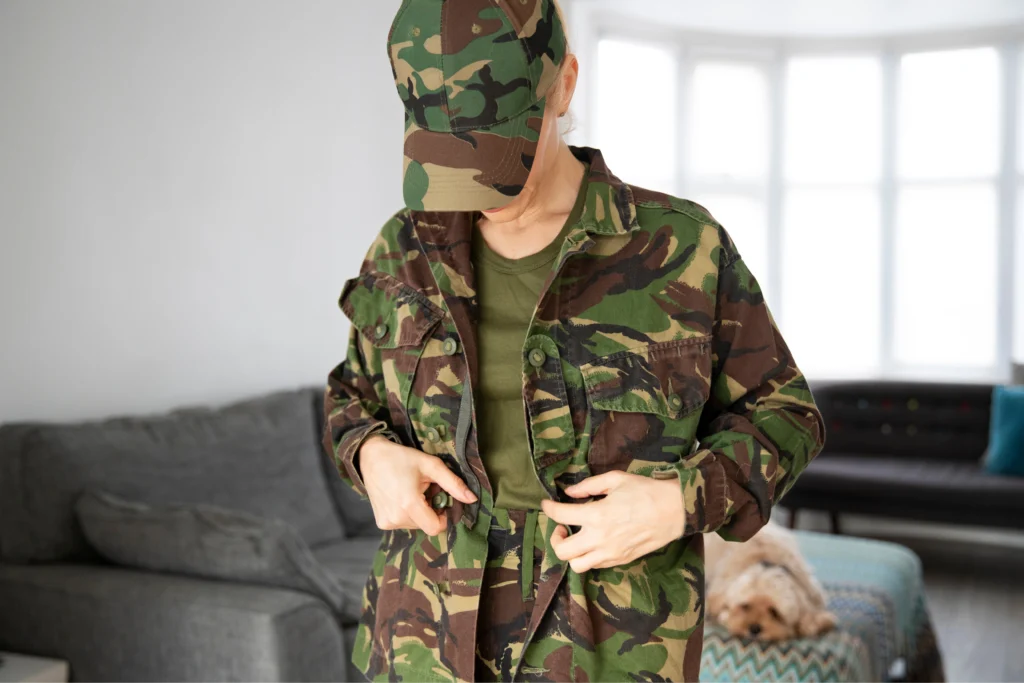
Even the best camouflage gear is only effective if used correctly. Placement, pattern matching, and integration with the environment all contribute to successful concealment.
Start by choosing a tarp pattern that matches your surroundings. Woodland camouflage works best in forests, desert patterns in arid areas, and urban camo for industrial or city settings. Avoid straight lines or unnatural shapes when placing the tarp, as these are easily detectable. Break up edges with foliage, branches, or additional netting to mimic natural forms.
Secure the tarp using its grommets and cords. Tying or staking the tarp ensures it stays in place and prevents movement that could draw attention. Tarnplanen can be draped over gear, stretched between trees as a lean-to, or used as a roof for a temporary shelter. Layering tarps enhances concealment and adds weather protection.
Maintenance is another critical aspect of using camouflage gear. After each use, clean the tarp, allow it to dry completely, and inspect for damage. Small tears should be repaired promptly to maintain both the tarp’s durability and its concealment effectiveness.
Practical Uses for Tarnplanen
Tarnplanen are extremely versatile, making them useful in many outdoor scenarios:
- Shelter: Tarnplanen can be used as makeshift tents, lean-tos, or roof covers, providing protection from rain, wind, and sun while keeping you concealed.
- Camouflage Blinds: Hunters and wildlife photographers use tarps to hide observation points or blinds. A well-placed tarp breaks up outlines and reduces detection.
- Equipment Concealment: In tactical settings, tarnplanen hide vehicles, gear, or observation posts from view.
- Survival Applications: They are ideal for emergency shelters, ground covers, water collection, or even makeshift stretchers.
- Civilian Uses: Farmers, construction workers, and event organizers often use camo tarps to cover equipment or supplies without drawing attention.
The flexibility of tarnplanen makes them an essential part of any serious outdoor toolkit. Their combination of durability, concealment, and multi-purpose functionality ensures they provide excellent value.
Tarnplanen vs Regular Tarps
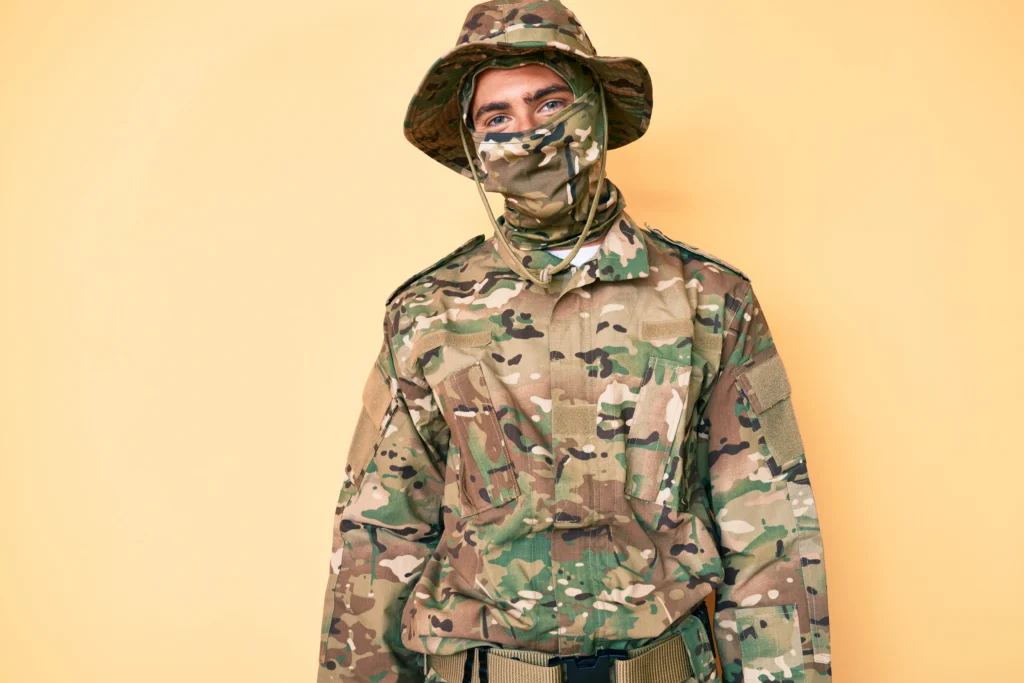
Understanding the difference between camouflage tarps and regular tarps helps clarify why investing in specialized camouflage gear is worthwhile:
| Feature | Tarnplanen (Camouflage Tarp) | Regular Tarp |
|---|---|---|
| Purpose | Concealment and protection | Simple covering or shade |
| Pattern | Camouflage (woodland, desert, digital) | Plain or solid colors |
| Material | Polyethylene, PVC, canvas, nylon | Often cheaper, less durable materials |
| Durability | Reinforced seams, UV-resistant | Varies, often less robust |
| Portability | Lightweight options available | Usually heavier or less convenient |
| Cost | Higher due to design and material | Typically lower, basic coverage only |
While regular tarps may cover equipment or provide shelter, tarnplanen add the critical advantage of concealment. This makes them especially valuable for hunters, photographers, and anyone needing to remain undetected in the outdoors.
Choosing the Right Camouflage Gear
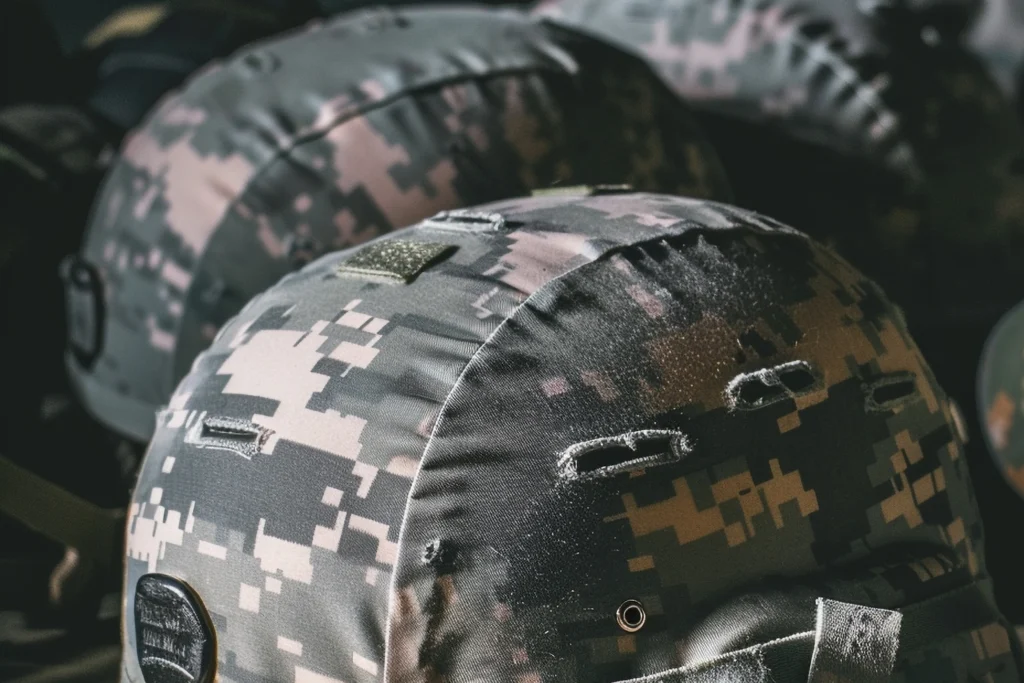
Selecting the right camouflage gear involves considering your environment, usage needs, and the type of tarp. Determine whether you need a compact, lightweight tarp for portability or a larger, heavy-duty tarp for long-term or industrial use. The environmental conditions, such as exposure to sun, rain, or wind, influence the choice of material.
Pattern selection is equally important. If you consistently operate in a single type of terrain, invest in a pattern suited to that environment. Multi-terrain or neutral designs are ideal for people moving across varied landscapes. Some advanced tarps use multi-color layering to provide adaptive concealment in different surroundings.
Finally, consider long-term maintenance. Proper care, such as cleaning, drying, and repairing minor damage, extends the life of the tarp and ensures that your camouflage gear continues to perform effectively.
FAQs
Q1: What is a tarnplanen?
A tarnplanen is a camouflage tarp designed to blend into natural surroundings while providing protection from weather and concealment for equipment or shelter.
Q2: What materials are used for tarnplanen?
Common materials include polyethylene, polyester, ripstop nylon, and PVC-coated canvas. These materials offer durability, weather resistance, and flexibility.
Q3: How do I choose the right pattern?
Select a pattern that matches your environment. Woodland is best for forests, desert patterns for arid zones, and urban camouflage for industrial areas.
Q4: Can tarnplanen be used for emergency situations?
Yes, they are ideal for temporary shelters, ground covers, water collection, and even makeshift stretchers in survival scenarios.
Q5: How should I maintain camouflage gear?
Clean after each use, let dry completely, inspect for damage, and repair small tears promptly to maintain durability and concealment.
Conclusion
Investing in quality camouflage gear like tarnplanen provides both protection and concealment. The combination of durable materials, effective patterns, and smart deployment makes these tarps invaluable for hunting, camping, survival, and tactical activities. By selecting the right tarp, maintaining it properly, and deploying it strategically, you can ensure that your camouflage gear offers maximum utility and longevity. Whether you are outdoors for recreation or professional purposes, tarnplanen remain one of the most versatile and effective pieces of equipment you can own.