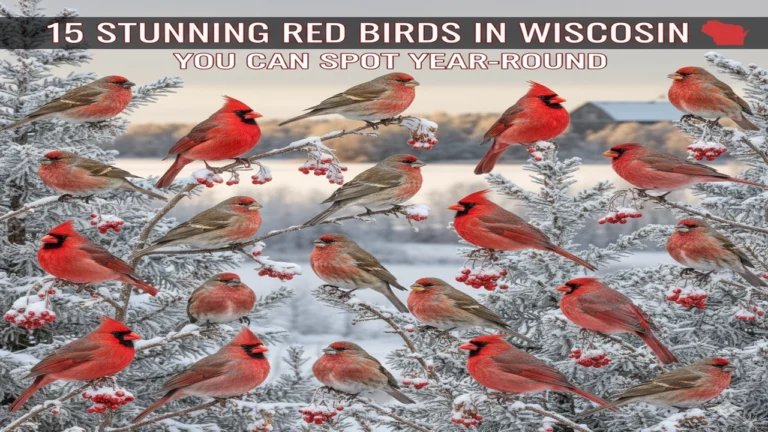
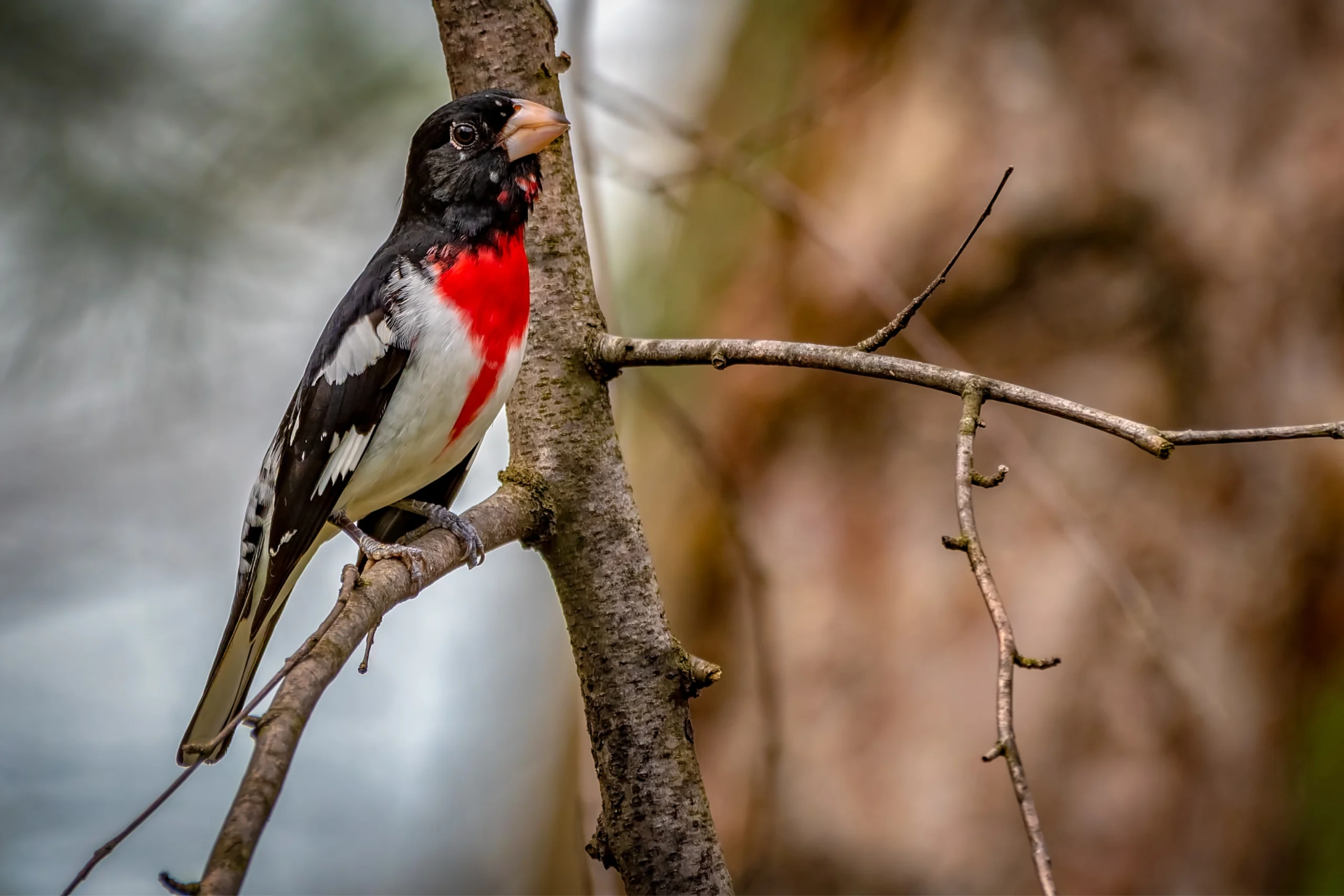
Discover the Red Birds in Wisconsin: Easy Tips for New Bird Watchers
Bird watching in Wisconsin gives people a chance to slow down and enjoy nature in a peaceful way. The state offers forests, lakes, grasslands, and backyards filled with bright colors and songs. Many beginners enjoy starting with red birds in Wisconsin because these birds stand out so clearly. Their bold colors, charming behaviors, and simple patterns make them perfect for new bird watchers.
Why Red Birds Stand Out So Easily
Red is a rare color in nature, especially among woodland birds. That is why red birds attract so much attention. Their feathers glow even on cloudy days or snowy mornings. Scientists say red colors often come from pigments in food or from special feathers. This makes red birds easy to see and simple to identify. Bird watchers love them because their beauty makes every trip outdoors feel special.
Famous Red Birds Seen Across Wisconsin
Wisconsin has several red birds that visitors and locals can spot during different seasons. One favorite is the Northern Cardinal, which lives in the state all year. The male cardinal shows bright red feathers, a raised crest, and a black mask. Another well-known bird is the House Finch. The male House Finch has rosy red on the head and chest and loves backyard feeders. Both offer easy viewing for beginners.
The Stunning Scarlet Tanager in the Forest Canopy
Another exciting find is the Scarlet Tanager. This beautiful bird arrives in warmer months and prefers tall forests. The male displays bold red feathers with strong black wings. The female shows warm yellow colors that blend into the leaves. Tanagers often stay high in the canopy where sunlight filters softly. Spotting one feels like finding a hidden treasure deep inside the woods.
Seasonal Movements of Red Birds
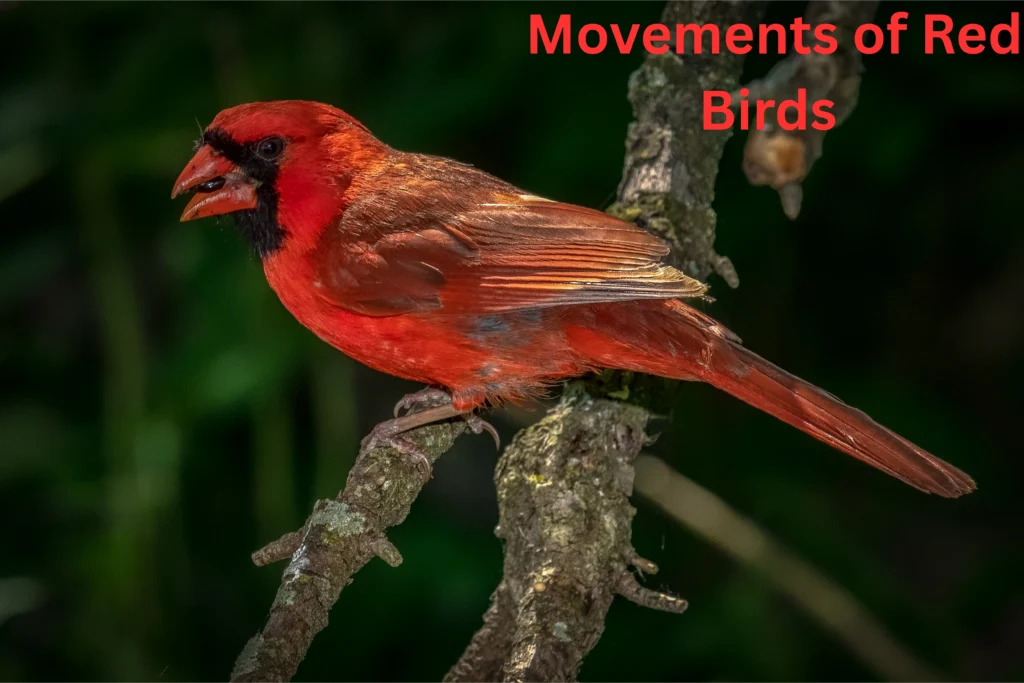
Many red birds stay in Wisconsin through the entire year, while others migrate during certain seasons. Cardinals and House Finches remain during winter and add bright color to snowy days. Some birds, such as Common Redpolls and Red Crossbills, appear mainly in winter when food sources shift. Scarlet Tanagers and Purple Finches move during warmer months. These seasonal changes make bird watching an adventure all year long.
Best Places to Spot Red Birds in Wisconsin
Red birds appear in many environments across the state. If you enjoy simple walks, try parks, backyards, or open fields. Cardinals and House Finches thrive in these places. If you prefer deeper forests, try tall woods where Scarlet Tanagers hide. Conifer forests attract Red Crossbills and Purple Finches. Bird watchers find success by exploring different habitats as seasons change and food sources move.
How to Attract Red Birds to Your Yard
You can invite red birds into your yard with a few simple steps. Place feeders with sunflower seeds or smaller seeds like Nyjer. Birds love natural food sources and places to perch. Shrubs and berry plants also attract many species by offering shelter and snacks. Clean, fresh water helps even more. When you create a friendly space, birds feel safe enough to visit often.
When to Go Bird Watching for Best Results
Early morning and late afternoon are the best times to go bird watching. Birds search for food during these hours, and their songs fill the air. Move slowly and stay quiet as you walk. Birds notice loud sounds easily and fly away. Bring binoculars to help you see details like feather color or beak shape. With patience and calm movements, you increase your chances of finding red birds in Wisconsin.
How Weather Affects Red Bird Activity

Weather plays a big role in bird behavior. On sunny days, red birds often perch in open spots where light hits their feathers. After rainfall, many birds come out to hunt for insects or seeds on wet ground. In winter, red birds move closer to feeders and sheltered places. Understanding weather patterns helps you plan better bird watching trips and enjoy active bird moments.
Table: Common Red Birds Seen in Wisconsin
Below is a helpful table showing some red birds you might see in different parts of the state:
| Bird Species | Male Appearance | Habitat | Season Seen |
|---|---|---|---|
| Northern Cardinal | Bright red, black mask, crest | Backyards, parks, forests | All year |
| House Finch | Rosy-red head and chest | Gardens, feeders, towns | All year |
| Scarlet Tanager | Red body, black wings | Forest canopies, tall woods | Summer |
| Purple Finch | Raspberry-red feathers | Mixed and conifer forests | Variable seasons |
| Red Crossbill | Red body, crossed beak | Pine or spruce forests | Winter or migration |
| Common Redpoll | Red forehead, red chest patch | Northern woods, winter feeders | Winter |
Why Red Birds Are Important to the Environment
Red birds help keep nature balanced by spreading seeds and eating insects. They help forests grow by moving seeds from one area to another. Their presence also shows the health of a habitat. When bird numbers drop, it can signal problems like pollution or habitat loss. Watching birds helps people learn about changing environments and encourages them to protect natural spaces.
How Kids Can Learn From Bird Watching
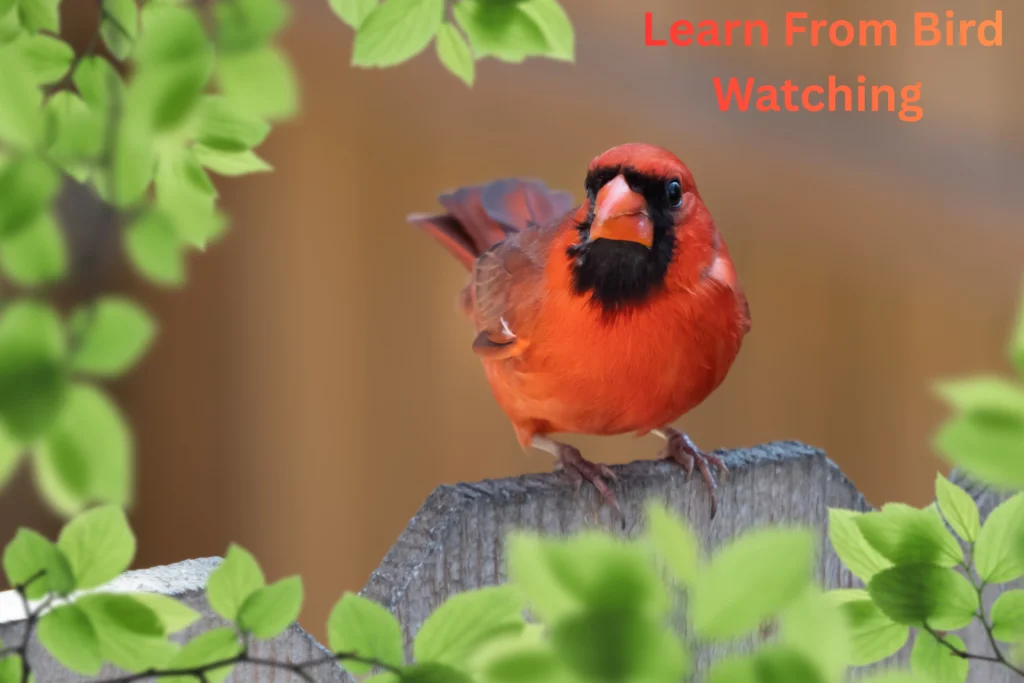
Bird watching teaches children patience, observation, and love for nature. Kids enjoy looking for bright red colors among leaves and snow. They learn to listen for songs, identify shapes, and understand habitats. These simple lessons help kids connect with the world around them. Families who explore outdoors together build strong memories and healthy habits.
Using a Bird Journal to Improve Your Skills
A bird journal is a simple tool that helps you grow as a bird watcher. You can write down where you went, what you saw, and what birds acted like. Journals help you remember details noticed during trips. Over time, patterns appear, such as migration timing or feeding habits. Keeping notes makes bird watching more meaningful and helps beginners learn faster.
Respecting Nature While Bird Watching
While enjoying bird watching, everyone should protect the areas they visit. Stay on marked paths and avoid disturbing nests or young birds. Do not feed birds harmful foods. Respecting nature helps keep habitats healthy. When people act kindly outdoors, they ensure the birds remain safe and easy to watch. This care supports the bright future of red birds in Wisconsin.
(FAQs)
Q: What are the easiest red birds to see in Wisconsin?
The easiest to spot are Northern Cardinals and House Finches. They appear often near homes, feeders, and open parks.
Q: When can I see the Scarlet Tanager?
You can see Scarlet Tanagers mainly in spring and summer when they migrate or nest in tall forest canopies.
Q: How can I attract red birds to my yard?
Place feeders with sunflower seeds, plant shrubs, and keep fresh water available. Birds visit places where they feel safe and fed.
Q: Do female red birds look as bright as males?
Most females show duller colors than males. This helps them hide better when nesting or caring for young birds.
Q: Are red birds active during winter in Wisconsin?
Some birds remain active in winter. Cardinals and finches often visit feeders, bringing bright color to snowy days.
Conclusion
Bird watching in Wisconsin becomes more exciting when you focus on colorful species like red birds in Wisconsin. Their bright feathers, lovely songs, and unique habitats bring joy to nature lovers. With small steps like adding feeders, choosing the right times, and exploring forest trails, anyone can enjoy this peaceful hobby. As you learn more, each trip outdoors becomes richer, calmer, and filled with simple beauty.