
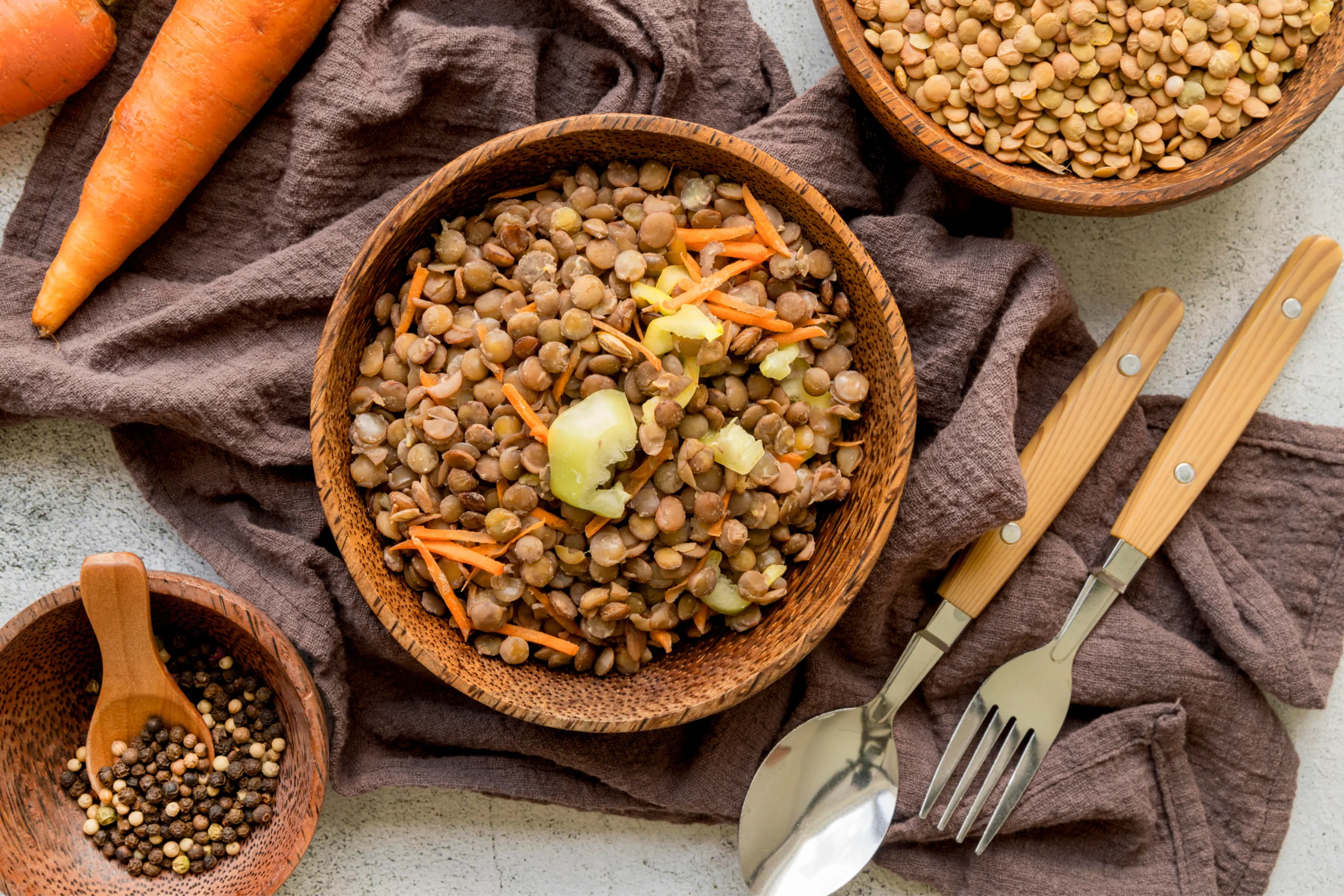
Healthy Black-Eyed Peas Recipes: Easy, Nutritious Meals for Every Day
Black-eyed peas are small, humble legumes, but they are packed with nutrients that make them an excellent choice for anyone wanting to eat healthy. If you want to prepare meals that are both delicious and nutritious, exploring Healthy Black-Eyed Peas Recipes is a great option. These tiny beans are rich in protein, fiber, and essential vitamins and minerals that support heart health, digestion, and overall energy. With the right preparation, black-eyed peas can transform into meals that are comforting, flavorful, and nourishing for the whole family.
Why Black-Eyed Peas Are Beneficial for Health
Black-eyed peas are not only affordable but also exceptionally nutritious. A half-cup serving of cooked black-eyed peas contains about 7 grams of protein and 6 grams of fiber, which helps support digestion, maintain healthy cholesterol levels, and keep you feeling full longer. These legumes are a plant-based protein source, which makes them a great option for vegetarian or vegan meals.
In addition to fiber and protein, black-eyed peas provide a significant amount of folate (vitamin B9), which is essential for healthy cell growth and proper red blood cell formation. This vitamin is particularly important for pregnant people as it supports fetal development. They also contain minerals such as iron, magnesium, and manganese, which are necessary for energy production, strong bones, and overall metabolic function. Including black-eyed peas regularly in your diet can be a natural way to support cardiovascular health, stabilize blood sugar, and boost overall wellness.
How to Prepare Black-Eyed Peas for Healthy Meals
To make Healthy Black-Eyed Peas Recipes, proper preparation is crucial. If you use dried peas, rinsing them thoroughly and soaking them beforehand helps reduce certain hard-to-digest sugars and shortens cooking time. You can soak them overnight or use a quick soak method by boiling briefly and letting them sit for an hour. After soaking, cook the peas in fresh water or low-sodium broth until they are tender, which usually takes around 45 minutes.
If you prefer convenience, a pressure cooker or electric multi-cooker can cook soaked black-eyed peas efficiently. Use about 2 to 3 cups of liquid per cup of peas, and allow the pressure to release naturally. This method not only saves time but also preserves more nutrients and flavor, making it ideal for healthy recipes.
Simple and Tasty Healthy Black-Eyed Peas Recipes
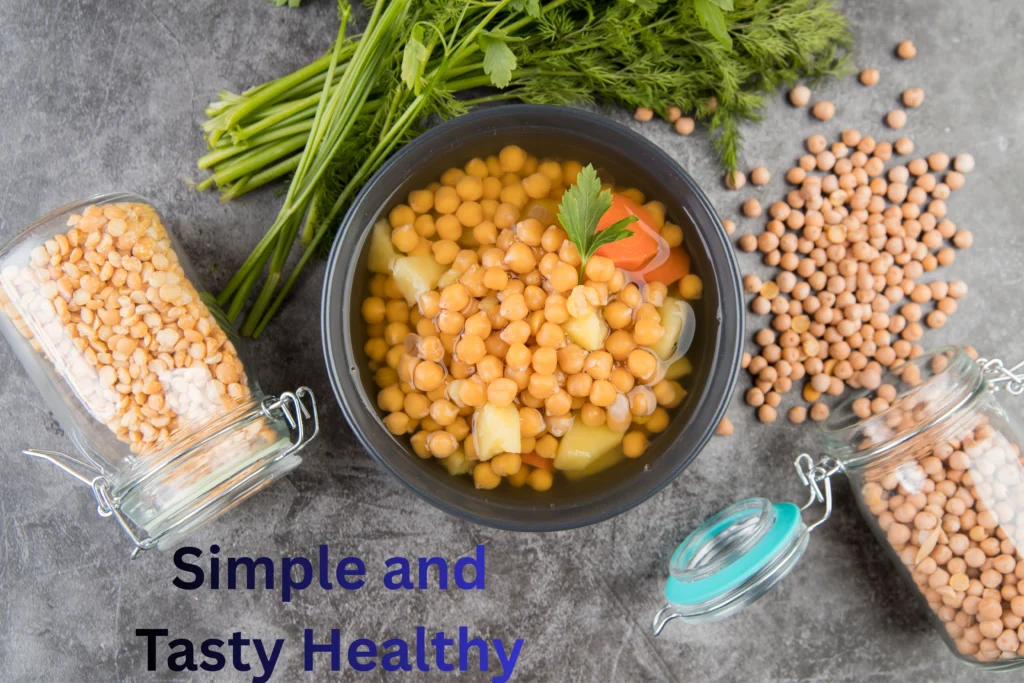
Black-eyed peas are versatile and can be used in a variety of recipes. Here are some easy ways to enjoy them while keeping your meals healthy and flavorful.
1. Black-Eyed Peas Salad
A black-eyed peas salad is refreshing and light, perfect for lunch or a side dish. Combine cooked black-eyed peas with diced tomatoes, cucumbers, red onions, and bell peppers. Dress the salad with a simple mix of extra-virgin olive oil, lemon juice, and a pinch of salt and pepper. This dish is high in fiber and protein, keeping you full while being low in calories. Adding fresh herbs like parsley or cilantro enhances flavor without adding extra calories.
This salad demonstrates how Healthy Black-Eyed Peas Recipes can be simple, vibrant, and satisfying, making it ideal for warm weather or a quick meal.
2. Black-Eyed Peas Stew
A hearty stew is a comforting and nutritious way to use black-eyed peas. Start by sautéing onions, garlic, and bell peppers in a small amount of olive oil. Add cooked black-eyed peas, low-sodium vegetable broth, and leafy greens such as spinach or collard greens. Season with herbs like thyme, bay leaves, and a pinch of smoked paprika for depth of flavor. Simmer the stew until the greens are tender, and the flavors meld together.
This stew is a perfect example of Healthy Black-Eyed Peas Recipes that provide warmth and nutrition while remaining low in fat and high in fiber. It is also versatile, allowing you to add other vegetables or spices to suit your taste preferences.
3. Black-Eyed Peas Fritters
For a fun and crispy option, black-eyed peas fritters are a creative choice. Mash cooked peas and mix with garlic, finely chopped onions, and bell peppers. Use a small amount of whole-grain or chickpea flour to bind the mixture. Shape into small patties and lightly sauté in a healthy oil such as olive or avocado oil until golden brown.
These fritters are delicious, portable, and a fun way to enjoy Healthy Black-Eyed Peas Recipes. They can be served as a snack, side dish, or even a main course when paired with a fresh salad or steamed vegetables.
Tips for Making Black-Eyed Peas Recipes Healthier
Making black-eyed peas dishes even healthier is easy with a few simple adjustments. Use low-sodium broth or water when cooking to control salt intake. If you use canned black-eyed peas, rinse them thoroughly to reduce sodium content. Soaking dried peas before cooking can help reduce compounds that cause gas while making the peas easier to digest.
Incorporating leafy greens, fresh vegetables, and herbs into your dishes increases nutrient density without adding excessive calories. Cooking with healthy fats such as olive oil or avocado oil provides heart-healthy benefits while enhancing the flavor of your meals.
Nutritional Highlights of Black-Eyed Peas
Here is a table showing key nutrients in a half-cup serving of cooked black-eyed peas and their health benefits:
| Nutrient | Amount (per ½ cup cooked) | Health Benefit |
|---|---|---|
| Protein | 7 g | Supports muscle growth and repair |
| Fiber | 6 g | Promotes digestion and satiety |
| Folate (B9) | High | Supports cell growth and pregnancy health |
| Iron | Significant | Helps carry oxygen in the blood |
| Magnesium & Manganese | Moderate | Supports bone health and energy metabolism |
These nutrients make black-eyed peas a powerful addition to a balanced diet, supporting heart health, digestion, and overall vital
FAQS
Q: Are black-eyed peas good for weight management?
Yes, black-eyed peas can help with weight management due to their high fiber and protein content, which keeps you full longer and reduces unnecessary snacking.
Q: Can black-eyed peas cause digestive issues?
They can, because they contain complex sugars called raffinose, which may produce gas. Soaking and gradually increasing consumption can help minimize discomfort.
Q: Is it okay to use canned black-eyed peas?
Yes, canned peas are convenient. Rinse them thoroughly or choose a low-sodium variety to maintain a healthy dish.
Q: How should I store cooked black-eyed peas?
After cooking, allow them to cool, then store in an airtight container in the refrigerator for up to 3-4 days. They can also be frozen for longer storage.
Q: Are black-eyed peas suitable for people with diabetes?
Yes, their soluble fiber slows digestion, helping maintain stable blood sugar levels. They are an excellent choice for a balanced diet for people with diabetes.
Conclusion
Incorporating Healthy Black-Eyed Peas Recipes into your meals is an excellent way to increase nutrient intake while enjoying flavorful dishes. These legumes provide fiber, protein, vitamins, and minerals that support heart health, digestion, and overall well-being. Whether you enjoy them in a fresh salad, a hearty stew, or crispy fritters, black-eyed peas are versatile, affordable, and highly nutritious.
By preparing these dishes with thoughtful ingredients and healthy cooking methods, you can create meals that are satisfying, wholesome, and easy to incorporate into your weekly meal plan. Black-eyed peas are more than just a pantry staple—they are a foundation for delicious and health-promoting meals that the entire family can enjoy.