
Why Home Decor Adtech Setup is Important
Setting up advertising technology for a home décor business can feel complicated, but it is essential for growing your brand. A proper Home Decor Adtech Setup helps you reach the right audience, measure your advertising performance, and increase sales efficiently. Without it, your ad budget might get wasted on irrelevant audiences or ineffective ads. In this article, we will explore how to set up your home décor adtech efficiently and make your campaigns more successful.
Understanding Home Decor Adtech
Adtech, short for advertising technology, includes tools, software, and platforms that help businesses manage, deliver, and optimize digital ads. For a home décor brand, adtech can help display your products, such as furniture, lighting, or décor accessories, to potential buyers across the internet. It allows you to automate campaigns, reach your target audience, and personalize ads based on user behavior.
With adtech, you can use features like retargeting to show ads to people who visited your website but did not make a purchase. You can also use programmatic platforms that automatically bid for ad space in real time, ensuring your products appear in front of the right audience at the right time. A strong understanding of adtech makes your campaigns smarter and more cost-efficient.
Step 1: Choose the Right Platforms
The first step in a Home Decor Adtech Setup is selecting the platforms where your ads will run. For home décor products, visual platforms like Google Display Network and social media platforms such as Instagram and Facebook work best. These platforms allow you to showcase your products using images, videos, or dynamic ads.
Google Display Network allows your ads to appear on millions of websites, reaching people who are already interested in home décor. Social media platforms let you track user interactions through tools like Facebook Pixel. This tracking helps you retarget visitors who viewed your products but did not purchase, making your campaigns more effective.
For advanced setups, you can use programmatic advertising platforms. These allow automated bidding, audience targeting, and optimization, making your campaigns more efficient over time.
Step 2: Set Up Tracking Tools Correctly

Tracking is one of the most critical parts of a Home Decor Adtech Setup. Without proper tracking, you cannot measure which ads are generating sales or engagement. Start by installing Google Analytics to monitor website traffic and conversions. This will help you understand how users interact with your site.
Next, set up Facebook Pixel or equivalent tracking tools for social media platforms. This pixel tracks events such as page views, add-to-cart actions, and purchases. By understanding these behaviors, you can adjust your campaigns to target users more effectively.
Advanced tracking methods like server-side tracking can also be used. This ensures that your data is more reliable and not affected by ad blockers or browser restrictions. A correctly implemented tracking system provides actionable insights to improve your campaigns.
Step 3: Define Your Budget Strategy
A clear budget strategy is essential for an efficient Home Decor Adtech Setup. Start small with one or two platforms and gradually expand once you see results. Splitting your budget across too many platforms initially can dilute your ability to optimize effectively.
Use automated bidding strategies like Target Return on Ad Spend (ROAS) or Enhanced Cost-Per-Click (CPC). These strategies allow platforms to automatically adjust bids based on performance. Additionally, implement automated rules to reallocate your budget. For example, increase spending on high-performing ads and pause underperforming ones. By managing your budget intelligently, you can achieve better results without overspending.
Step 4: Create Engaging Ad Content
Your ads must be visually appealing because home décor products are highly visual. High-quality images and videos showcasing your products in real home settings are essential. Consider using dynamic product ads that automatically display the exact items users viewed on your website.
Personalized ad content performs better because it shows users products they are already interested in. Use AI-powered tools to generate creative variations for different audience segments. Test multiple formats such as carousel ads, videos, and static images to determine which performs best. Effective ad content increases engagement and conversion rates while making your Home Decor Adtech Setup more successful.
Step 5: Implement Retargeting Campaigns
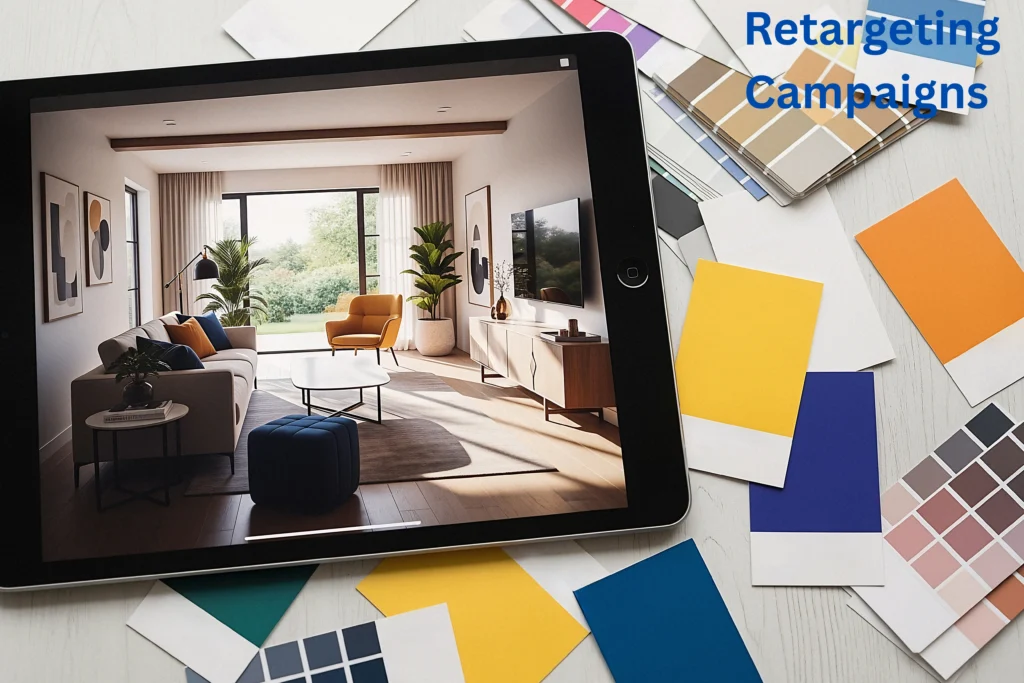
Retargeting is one of the most powerful tools in adtech. It allows you to show ads to users who have previously interacted with your website or social media pages. For example, if someone viewed a specific sofa but did not purchase, retargeting can show them the same product with a gentle reminder or a special offer.
Segment your audience to improve the effectiveness of retargeting campaigns. Separate cart abandoners, past purchasers, and casual website visitors, and customize your ad messages for each group. Limit ad frequency to avoid overexposing users, which can lead to annoyance and reduce brand trust. Retargeting strengthens your Home Decor Adtech Setup by increasing the chances of converting interested visitors into buyers.
Step 6: Analyze and Optimize Performance
An efficient Home Decor Adtech Setup requires continuous analysis and optimization. Monitor metrics like click-through rate (CTR), conversion rate, and ROAS to understand which campaigns are performing well. Regularly review performance data to identify underperforming ads and reallocate your budget to successful campaigns.
Use A/B testing to experiment with different ad creatives, formats, and audience segments. Over time, these optimizations improve campaign efficiency and increase overall sales. Additionally, pay attention to mobile vs. desktop performance. Adjust your campaigns according to the devices your audience prefers. Consistent analysis ensures your campaigns remain effective and cost-efficient.
Step 7: Maintain Privacy Compliance
Privacy compliance is essential in adtech. Laws like GDPR require businesses to obtain consent before collecting user data. Respecting privacy builds trust and ensures your campaigns are legally compliant.
Rely on first-party data collected directly from your website, such as email subscriptions or logged-in users, to improve ad targeting. Avoid relying entirely on third-party cookies, which are being phased out. Transparent and privacy-compliant practices make your Home Decor Adtech Setup more sustainable and trustworthy for customers.
Summary Table: Key Steps for Home Decor Adtech Setup

| Step | Action | Importance |
|---|---|---|
| 1 | Choose Platforms | Reach the right audience effectively |
| 2 | Set Up Tracking | Measure performance accurately |
| 3 | Define Budget | Maximize ROI on ad spend |
| 4 | Create Ads | Engage users with visuals and personalization |
| 5 | Retargeting | Convert visitors who didn’t purchase |
| 6 | Analyze & Optimize | Improve campaigns over time |
| 7 | Privacy Compliance | Build trust and follow regulations |
Common Mistakes to Avoid
Many businesses make mistakes during their Home Decor Adtech Setup. One common error is skipping proper tracking, which leads to wasted ad spend. Another is spreading your budget too thin across multiple platforms. Using only one creative format without testing reduces engagement. Neglecting privacy compliance can damage trust and violate regulations. Finally, failing to segment your retargeting audience can annoy users instead of converting them. Avoiding these mistakes ensures better performance and efficiency.
FAQs
Q: What is a Home Decor Adtech Setup?
A: It is the process of setting up digital advertising tools and strategies for a home décor business, including ad platforms, tracking, budgets, creatives, and retargeting.
Q: Which platforms are best for home décor ads?
A: Google Display Network, Instagram, and Facebook are ideal due to their visual and targeting capabilities.
Q: How much budget is needed to start?
A: Start small on one or two platforms and scale gradually based on results and performance metrics.
Q: What tracking tools are essential?
A: Google Analytics, Facebook Pixel, and optional server-side tracking ensure accurate performance data.
Q: How often should campaigns be optimized?
A: Review performance weekly at first and adjust ads, creatives, and budget to improve results continuously.
Conclusion
A strong Home Decor Adtech Setup is essential for any home décor business looking to grow online. By choosing the right platforms, setting up tracking, defining a clear budget, creating engaging ads, implementing retargeting, analyzing performance, and maintaining privacy compliance, you can make your campaigns more efficient and profitable. Start small, track results carefully, and optimize continuously. Over time, your adtech setup will deliver more leads, higher conversions, and a better return on investment, helping your home décor brand reach more customers and grow successfully.