How to Understand Land Resources: Soil and Sustainability
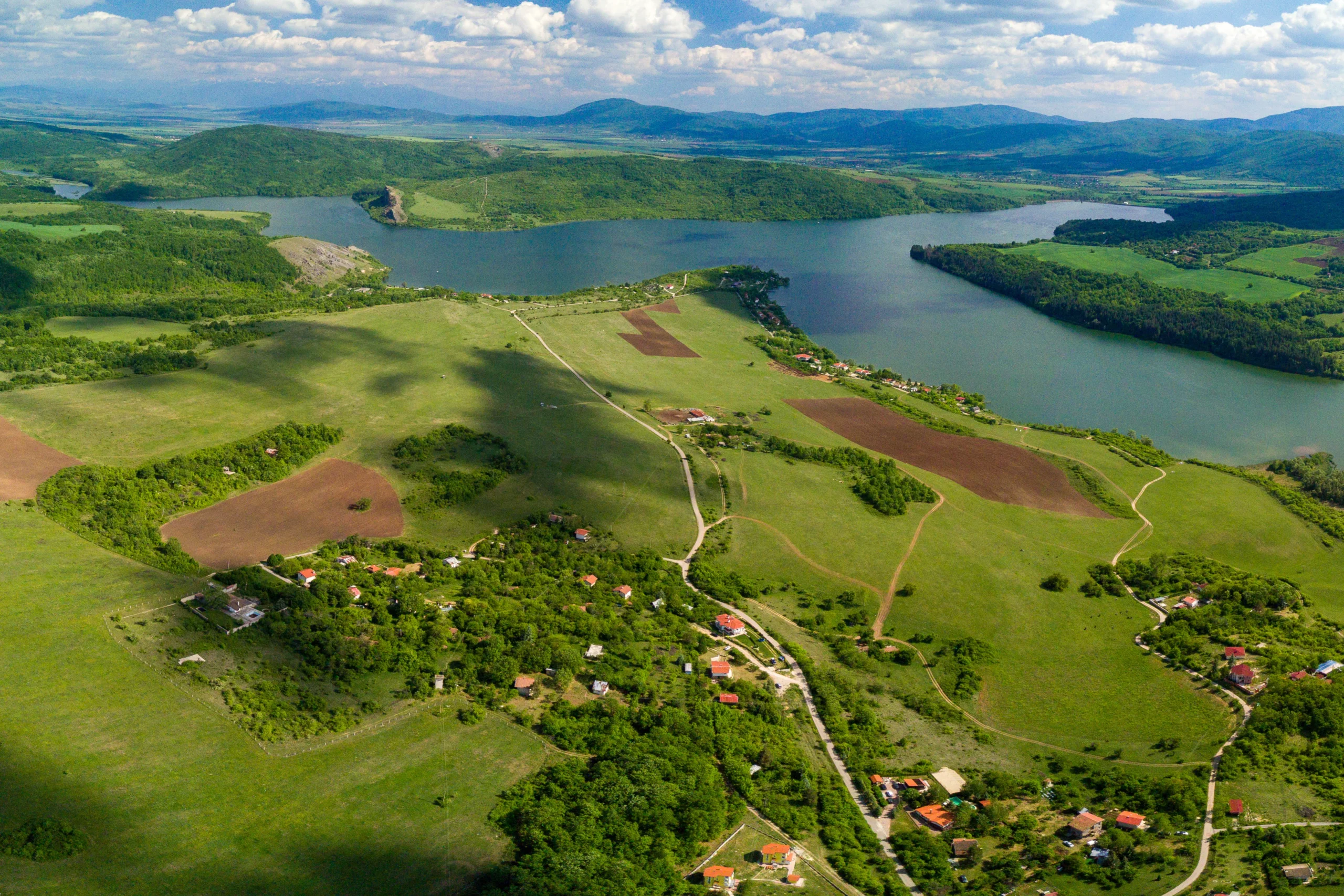
Land is one of the most important natural gifts for human life. It provides space for homes, farms, forests, and industries. Land also supports plants, animals, and people in many ways. When land is used carefully, it remains healthy for a long time. This article explains soil, sustainability, and smart land use in a simple and clear way.
Meaning and Importance of Land Resources
Land includes soil, rocks, water, and open areas used by humans and nature. Land Resources help grow food, build houses, and support natural ecosystems. Healthy land allows plants to grow well and provides clean water storage. Without good land, life becomes difficult and unsafe.
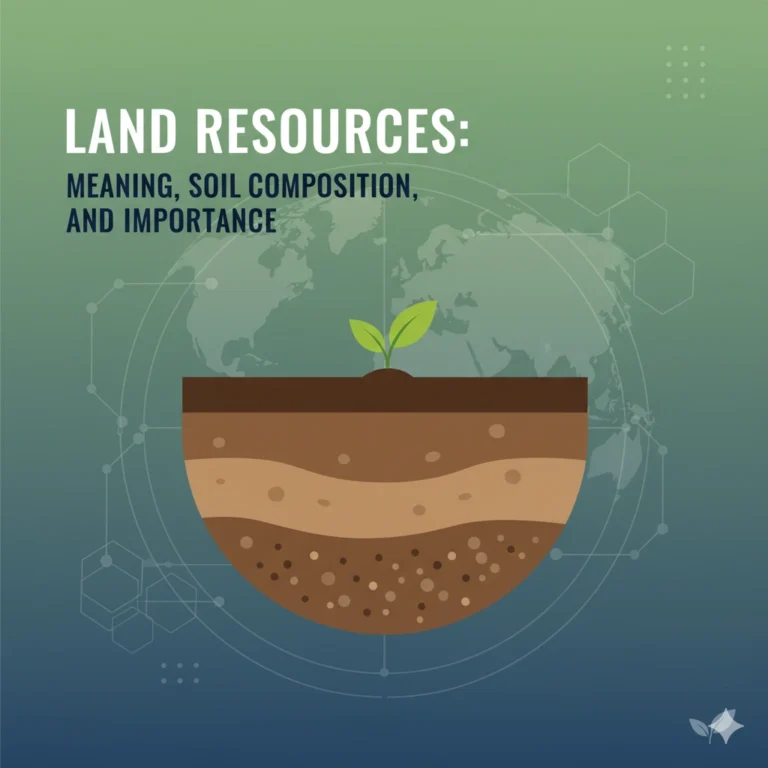
Soil is the most important part of land. It provides nutrients, water, and air to plants. Healthy soil increases crop production and supports forests. When land is damaged, it takes many years to recover. Protecting land is important for people, animals, and future generations.
Soil as the Base of All Life
Soil is not just dry dirt. It is a living system full of small organisms. Bacteria, insects, and worms live inside soil and improve its quality. These organisms break down dead plants and turn them into nutrients for new plants.
Good soil holds water and reduces flood risks. It also allows roots to grow deep and strong. Healthy soil supports farming and natural plants. Poor soil leads to weak crops and food shortages. Understanding soil helps protect land properly.
Natural Process of Soil Formation
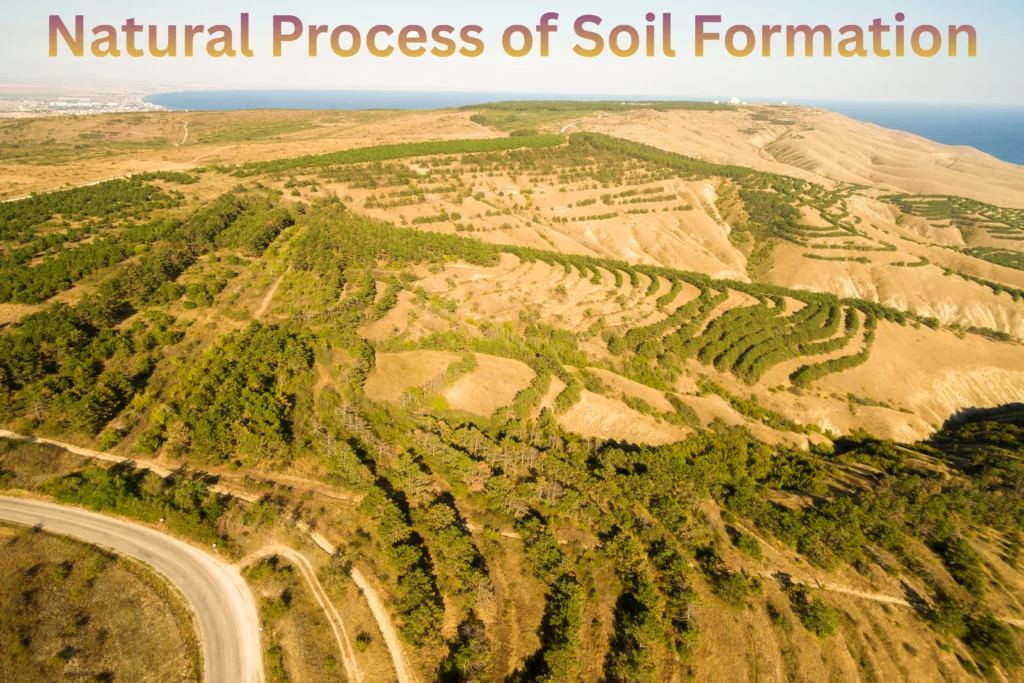
Soil forms very slowly over hundreds of years. Rain, wind, and sunlight break rocks into small particles. Plants grow and die, adding organic matter to the soil. Microorganisms mix minerals and organic matter together.
Soil develops layers called horizons. The top layer is rich in nutrients and supports plant growth. When this layer is lost, land becomes weak. Protecting soil layers is necessary for long-term sustainability.
Different Types of Soil
Soil types vary based on texture and composition. Each soil type has different water-holding and nutrient properties. Farmers select crops according to soil type to get better results.
| Soil Type | Main Feature | Common Use |
|---|---|---|
| Sandy Soil | Drains water quickly | Vegetables |
| Clay Soil | Holds water well | Rice and wheat |
| Loamy Soil | Balanced and fertile | Most crops |
Understanding soil types helps farmers protect land and improve food production.
Human Activities and Their Impact on Land
Human activities strongly affect land health. Farming, construction, mining, and tree cutting change soil structure. Heavy machines press soil and reduce air spaces. Chemical fertilizers and pesticides damage soil organisms.
Poor land use planning causes long-term damage. Smart land use protects Land Resources and supports development. Sustainable practices reduce soil loss and improve land quality. Human decisions play a major role in land health.
Soil Erosion and Land Degradation
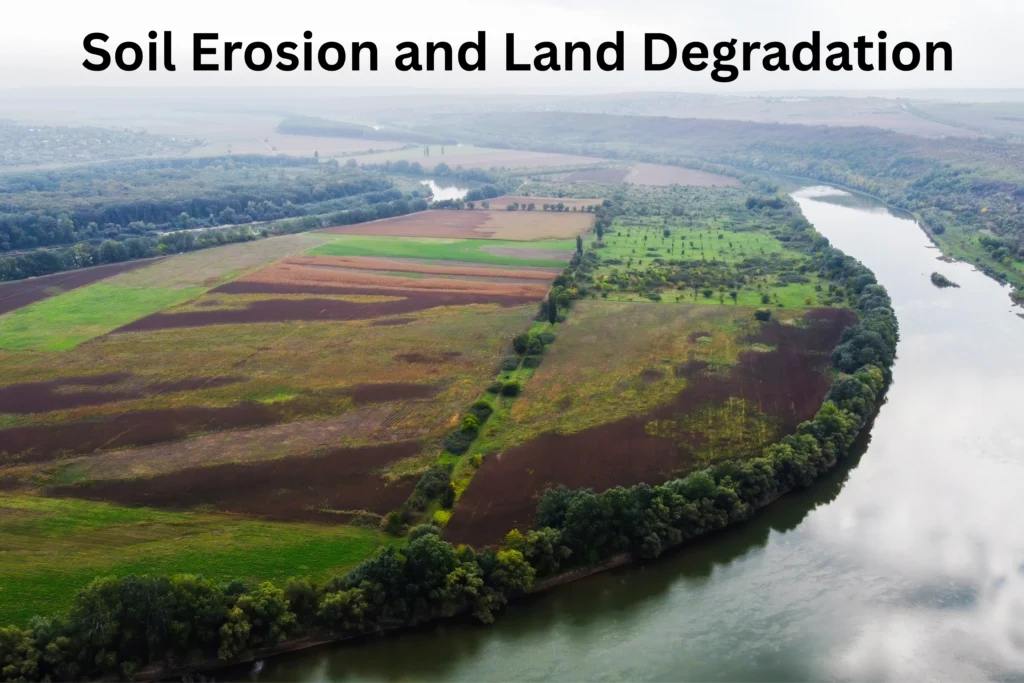
Soil erosion happens when wind or water carries away topsoil. It usually occurs on land without plants. Loss of topsoil reduces nutrients and lowers crop yields. Land degradation also includes pollution, salinity, and desertification.
| Cause | Result |
|---|---|
| Overgrazing | Loss of soil cover |
| Deforestation | Increased erosion |
| Poor irrigation | Salty soil |
Preventing erosion is important to keep land productive and safe.
Sustainable Land Management Practices
Sustainable land management means using land without harming its future value. Farmers use crop rotation, compost, and natural fertilizers. These methods improve soil structure and fertility. Water-saving methods protect soil moisture.
Governments promote land care through education and laws. Communities protect green spaces and natural areas. Sustainable actions help Land Resources stay healthy for future generations.
Role of Soil in Climate Balance
Soil plays an important role in controlling climate. It stores carbon and reduces greenhouse gases. Healthy soil absorbs rainwater and reduces floods. It also helps plants survive during dry seasons.
Damaged soil increases climate risks and reduces crop growth. Protecting soil helps fight climate change naturally. Simple land care practices bring long-term climate benefits.
Land and Food Security
Food security depends on healthy land and soil. Crops grow best in fertile soil with balanced water. When land degrades, food production decreases and prices increase. Poor communities suffer the most.
Protecting land ensures stable food supply. Healthy soil supports farmers and reduces hunger. Sustainable land care strengthens food systems and economies.
Simple Actions to Protect Land
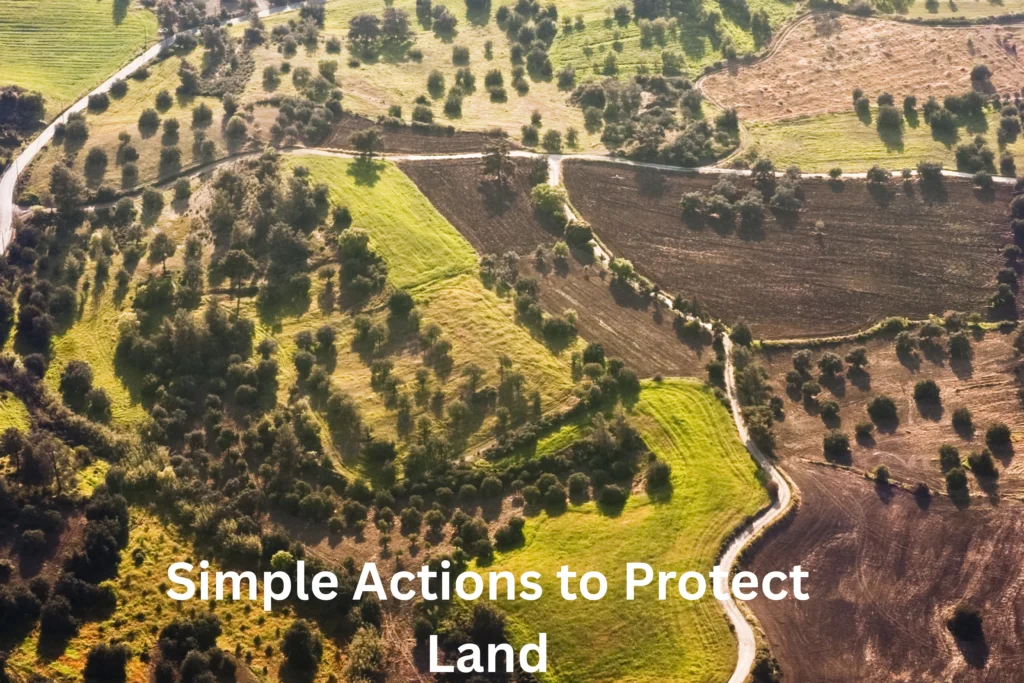
Everyone can help protect land through daily actions. Planting trees improves soil strength and prevents erosion. Reducing waste lowers pollution. Saving water helps maintain soil moisture. Supporting local farmers encourages sustainable farming.
Small efforts protect Land Resources and improve environmental health. When people work together, land stays productive for future generations.
Conclusion
Land is essential for food, shelter, and environmental balance. Healthy soil supports crops, controls climate, and protects ecosystems. Human activities can either damage or protect land depending on choices made. Sustainable land management keeps soil fertile and useful.
Understanding soil and sustainability helps people respect land. When land is cared for today, it ensures food security, environmental safety, and a better future for the next generation.
FAQs
What are land resources in simple words?
Land resources include soil, water, and land used for farming, housing, and nature.
Why is soil important for sustainability?
Soil grows food, stores water, and supports life for long-term use.
How does land degradation affect humans?
It reduces food production, increases floods, and harms livelihoods.
What is sustainable land use?
It means using land wisely without harming its future value.
How can students help protect land?
Students can plant trees, save water, and learn about soil care.