

The Rise of Pediatric Mobility Devices: A New Era in Child Care
The future of child care is changing fast, and one major part of this change is the rise of Pediatric Mobility Devices. These devices help children move more independently, explore their world, and enjoy everyday life with confidence. When kids get the right tools for mobility, their growth, learning, and happiness improve in powerful ways. Today’s technology is helping create new solutions that support freedom and inclusivity.
What Are Pediatric Mobility Devices?
Pediatric Mobility Devices are special tools designed to help children with physical challenges move safely and comfortably. They include walkers, wheelchairs, gait trainers, adaptive strollers, and supportive seating systems. These devices are made in child-friendly sizes and are built to support growing bodies. They help kids engage in school, play with friends, and experience daily activities more independently.
The main purpose of these devices is not only to support movement but also to improve posture, encourage exercise, and help children participate fully in life.
Why Mobility Devices Matter in Child Care
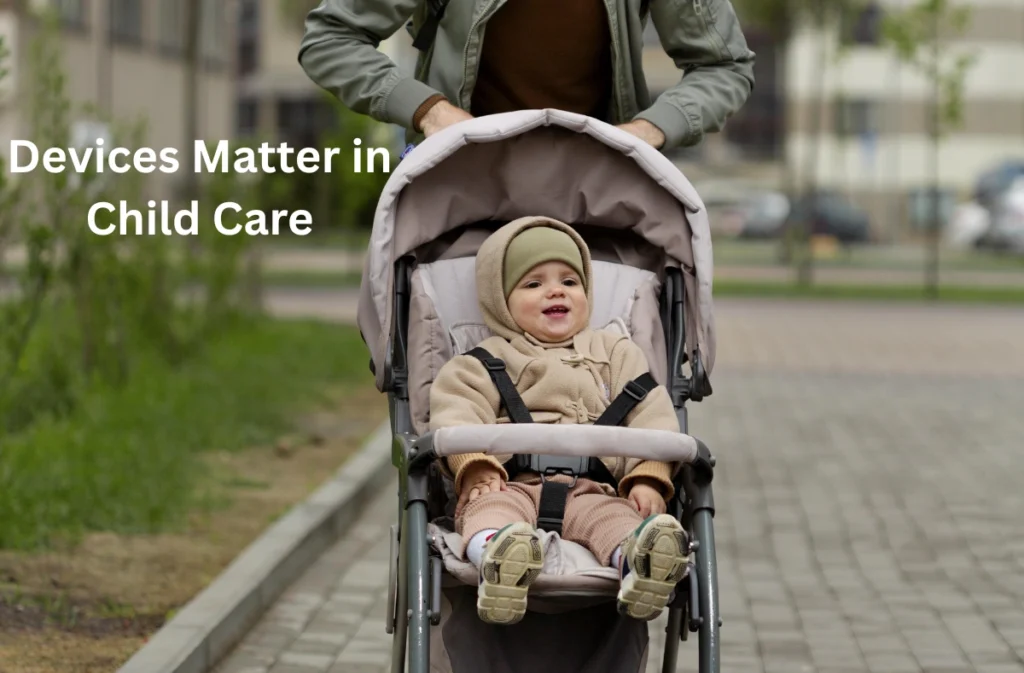
Mobility plays an important role in a child’s early development. When children can move freely, they learn faster, communicate better, and explore their environment with curiosity. That’s why mobility tools are becoming an essential part of modern child care.
When children use Pediatric Mobility Devices the right Pediatric Mobility Devices, they experience better physical health, stronger muscles, and improved motor skills. These devices also help boost emotional confidence because kids feel more included and capable. The more children can move, the more they can participate in activities that shape their growth.
Types of Pediatric Mobility Devices
A wide variety of products exist depending on the child’s age, disability, and mobility needs. Below is a helpful table that explains common types and their purpose:
| Device Type | Description | Best For |
|---|---|---|
| Walkers | Light frames that help kids practice walking safely | Early walkers who need support |
| Gait Trainers | Provide full-body support and help improve balance | Children building strength |
| Adaptive Strollers | Supportive strollers for kids with limited mobility | Daily outdoor and indoor mobility |
| Manual Wheelchairs | Lightweight chairs designed for kids | Independent movement with arm strength |
| Powered Wheelchairs | Battery-powered chairs for full mobility | Kids who cannot self-propel |
Each device has its own purpose, and choosing the right one depends on the child’s needs and goals.
How to Choose the Right Device
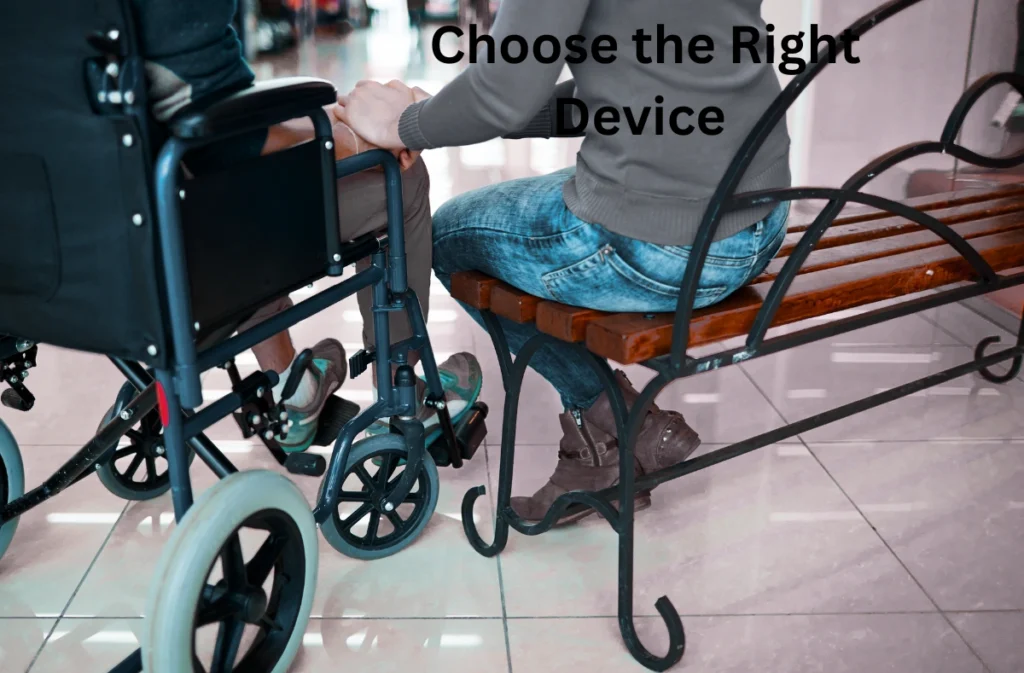
Selecting the best Pediatric Mobility Device requires careful planning. First, parents and caregivers should get a full assessment from a therapist. This ensures the device fits the child’s size, posture needs, and abilities. A good fit prevents discomfort and helps the child use the device with ease.
Next, think about the child’s daily Pediatric Mobility Devices routine. Will the device be used in school, at home, or outside? Every environment needs different levels of flexibility and safety. Adjustable devices are important because children grow quickly and need equipment that grows with them.
Finally, training matters. Children must learn how to use their mobility tool, and caregivers should understand how to adjust straps, wheels, or handles. With training, the child gains confidence and independence.
How Mobility Devices Improve Everyday Life
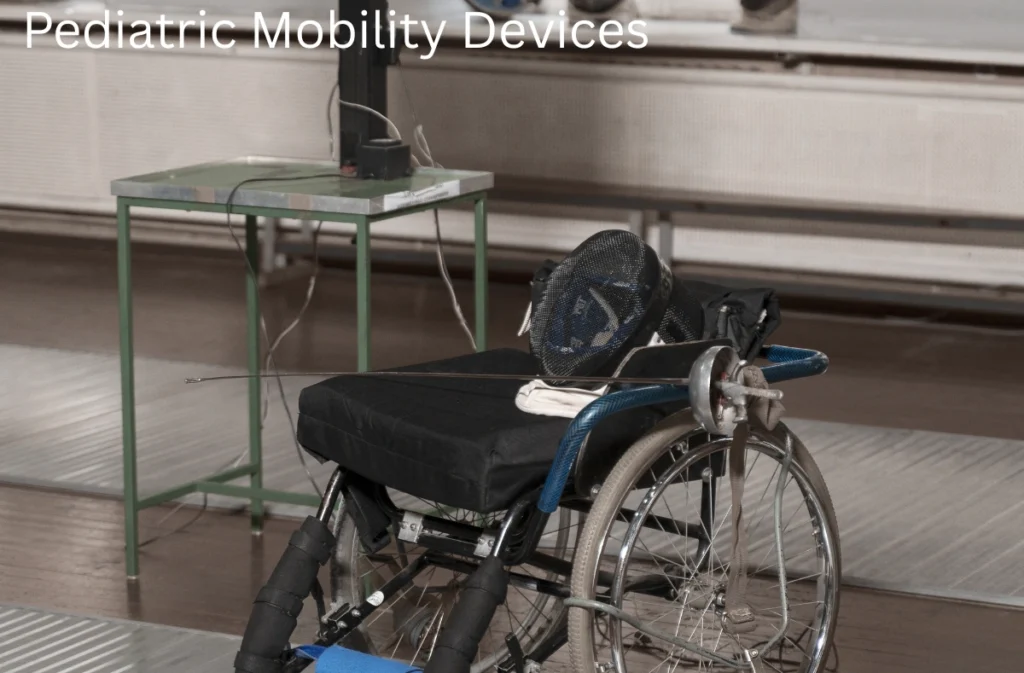
For kids, movement is not just something physical—it’s emotional and social too. When a child can move from place to place independently, their personality blossoms. They interact more with friends, join group activities, and feel included.
Mobility devices also reduce frustration and dependence. A child who once needed help for every small task can now do things on their own. This independence makes every day more meaningful and joyful.
Parents also experience relief because the child becomes less restricted and more involved in life around them.
The Future: Innovations in Mobility
Child-focused mobility technology is Pediatric Mobility Devices advancing quickly. New devices are becoming lighter, easier to adjust, and more comfortable. Some upcoming trends include:
- Smart mobility devices with sensors
- Lightweight exoskeletons for children
- Fully customizable chairs and walkers
- Adjustable frames that grow with the child
- Eco-friendly and durable materials
These innovations will shape a future where mobility support becomes even more natural and accessible. Children will have more options to express independence regardless of their physical challenges.
Why Pediatric Mobility Devices Build a Better Future
Pediatric Mobility Devices play a major part in creating an inclusive world. These devices give children a chance to move, learn, and interact freely. No child should feel left out because of mobility limitations. By using the right tools, families and caregivers can ensure children receive equal opportunities in education, play, and social life.
When movement becomes possible, imagination becomes limitless. These devices help children dream bigger and live freely.
Conclusion
The future of child care is brighter and more inclusive because of Pediatric Mobility Devices. These tools help children explore their surroundings, learn actively, and gain independence. With new technology and smarter designs, mobility support for kids is becoming more effective and comfortable. Every child deserves the chance to grow, play, and discover the world—and mobility devices make this possible. By choosing the right tools and supporting children with care, we shape a future where every child can thrive with confidence and joy.
FAQs
Q1: Why are mobility devices important for kids?
They help children move safely, learn faster, and take part in daily activities with confidence.
Q2: Which device is best for beginners?
Walkers and gait trainers are best for children who are learning balance and taking early steps.
Q3: Do mobility devices help with school activities?
Yes, they help children move confidently in classrooms, playgrounds, and hallways.
Q4: Can mobility devices grow with a child?
Many modern devices are adjustable, so they can be resized as the child grows.
Q5: Are mobility devices safe for young kids?
Yes, when properly fitted and used under guidance, they are completely safe and supportive