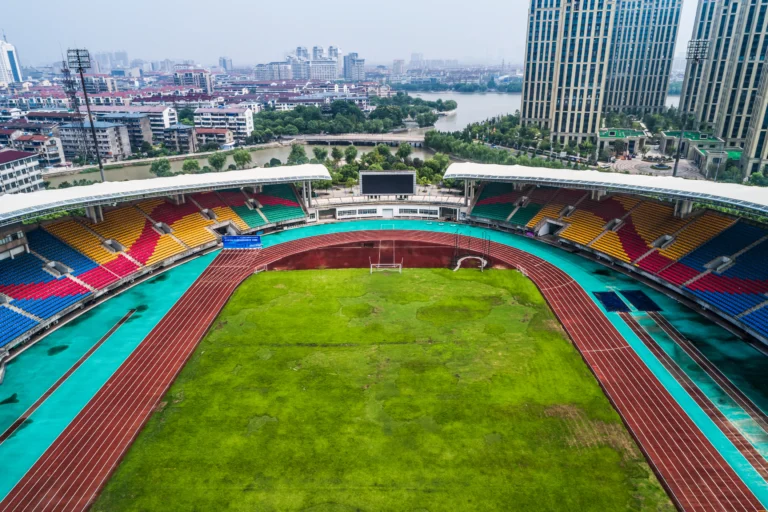

Purdue Football Stadium: Complete Guide to Ross–Ade Stadium, History, Seating, Renovations & Visitor Tips
The Purdue Football Stadium, officially known as Ross–Ade Stadium, is one of the most iconic football venues in the Big Ten Conference. Located in the heart of West Lafayette, Indiana, the stadium has hosted generations of Boilermaker fans, unforgettable matchups, major renovations, and the evolution of a game-day atmosphere that rivals any college football experience in the Midwest.
Whether you’re a Purdue fan planning your first trip, a returning season-ticket holder, or a college football enthusiast looking to understand what makes Ross–Ade special, this guide covers everything you need to know—from stadium history and seating layouts to renovations, accessibility, tailgating, parking, and insider tips.
Quick Facts – Purdue Football Stadium (Ross–Ade Stadium)
- Official Name: Ross–Ade Stadium
- Common Name: Purdue Football Stadium
- Location: 850 Steven Beering Drive, West Lafayette, IN
- Opened: 1924
- Primary Tenant: Purdue Boilermakers football (Big Ten)
- Official Field Name: Rohrman Field
- Surface: Natural grass (historically), later artificial turf depending on season
- Historic Maximum Capacity: Over 69,000 in the 1960s–70s
- Typical Modern Capacity: Low-60,000 range (varies by renovation phase)
- Conference: Big Ten
- Notable Features: South End Zone modernization, premium patios, new lighting systems, state-of-the-art sound, and upgraded fan amenities
1. History of Purdue Football Stadium (Ross–Ade Stadium)
Early Years (1920s – 1950s)
Ross–Ade Stadium opened in 1924, named after Purdue alumni David E. Ross and George Ade—two influential donors whose vision led to the creation of a top-tier athletic venue. Originally seating around 13,500 spectators, the stadium expanded rapidly as Boilermaker football grew in national prominence.
During the mid-20th century, the stadium became known for its energetic crowds and intense matchups throughout the Big Ten. Capacity increased several times, reflecting the surging popularity of college football.
The Stadium at Its Peak Capacity (1960s – 1980s)
By the late 1960s and early 1970s, the Purdue Football Stadium reached over 69,000 seats, making it one of the larger stadiums in the Big Ten at the time. During this era, Purdue produced legendary players, including quarterback Bob Griese and defensive end Ryan Kerrigan (in later decades), helping fill the stadium with some of the most enthusiastic fans in the country.
One of the most memorable games in stadium history occurred in 1980, when Purdue hosted Notre Dame before more than 70,000 fans—a number often cited as one of the stadium’s largest recorded crowds.
2001–2003 Modernization Era
The early 2000s brought a major shift. Purdue launched a $70 million renovation, adding:
- New club seating
- Expanded concourse areas
- Improved restrooms and concessions
- Updated video boards
- New premium hospitality areas
These upgrades significantly improved the game-day experience while adjusting capacity into the low-60,000 range to accommodate modern seating layouts.
2017 Lighting Enhancements & Technology Upgrades
In 2017, Ross–Ade Stadium installed new LED lighting, allowing for better night-game visibility and enhanced broadcast quality. The upgrade also aligned with a universitywide push for sustainability and energy efficiency.
Rohrman Field Naming (2019)
In late 2019, Purdue Athletics officially named the field Rohrman Field, recognizing a major philanthropic contribution. While many fans still refer to the playing surface by its traditional name, the official designation reflects Purdue’s partnership with community donors and long-term development plans.
2022–2023 South End Zone Transformation
Perhaps the most impactful modern improvement is the South End Zone renovation, part of the university’s long-term “Your Ross–Ade” campaign. Phase I introduced:
- A reimagined south concourse
- Premium patios and social spaces
- Rail-seating and standing-room options
- Enhanced player facilities
- New tunnels and improved team entrances
- Expanded fan plazas and gathering areas
These upgrades were designed to improve circulation, enhance atmosphere, and give Purdue fans a more modern, NFL-style viewing experience. Ongoing and future phases may adjust capacity and add more premium seating, making the Purdue Football Stadium a continually evolving venue.
2. Seating Guide to Purdue Football Stadium
Understanding the seating layout at Ross–Ade Stadium is essential for choosing the best possible game-day experience. The mix of traditional seating, premium areas, patios, and student sections creates a dynamic environment.
Best Seats for Overall Viewing
If you want the best sightlines:
- Sections between the 40-yard lines (West Side): Ideal for fans focused on watching plays develop.
- Lower-level sideline seats: Offer the classic Big Ten stadium feel with excellent proximity to players.
- East Side upper sections: Great for wide, panoramic stadium views and photo opportunities.
Premium Seating Options
Club Seats
Club seating areas provide:
- Comfortable chairbacks
- Indoor lounges
- Climate-controlled spaces
- Private concessions and restrooms
These seats are perfect for fans who want a luxurious experience without sacrificing great sightlines.
South End Zone Patios & Social Spaces
Recent renovations added some of the most fan-friendly seating in the Big Ten, including:
- Terrace patios with open-air viewing
- Rail-seating for a more relaxed, modern gameday experience
- Standing-room social decks ideal for groups who want to move freely and enjoy a more social atmosphere
These areas have quickly become favorites for younger fans and families.
Student Section
The Purdue student section is located primarily along the northeast portion of the stadium and is one of the loudest, most energetic areas—especially during major conference games or rivalry matchups.
3. Visitor Guide: Parking, Tailgating & How to Get to the Stadium

Whether you’re coming from inside Indiana or traveling across state lines, navigating game day at the Purdue Football Stadium is straightforward with the right preparation.
Parking at Ross–Ade Stadium
Parking lots around the stadium fill up quickly, especially for Big Ten matchups. Visitors can choose from:
- General parking lots south and west of the stadium
- Permit-only lots for season ticket holders
- Accessible parking for guests with ADA placards
- Off-campus shuttle parking for fans seeking easy access at a lower cost
Purdue typically publishes its yearly Game Day Parking Map, which is essential for planning.
Insider Tips:
- Arrive 2–3 hours early to avoid traffic bottlenecks.
- Consider parking farther from the stadium for faster exits postgame.
- Use campus shuttles if you want inexpensive, convenient transport.
Tailgating at Purdue Football Stadium
Tailgating is a major part of the Purdue game-day tradition. Fans arrive early, set up grills and tents, and enjoy a festive atmosphere across campus.
Tailgating zones usually include:
- RV areas
- General tailgate lots
- Family-friendly tailgate sections
- Student-focused tailgate areas
Many fans set up near the Boilermaker Crossing, a popular pregame festival featuring food, music, and activities.
Getting Into the Stadium: Gates & Policies
Gates typically open 90 minutes before kickoff, though times may vary for televised games.
Key Entry Tips:
- Purdue enforces a clear bag policy—bring only approved bags to avoid security delays.
- Metal detectors are in use at most gates.
- The Tyler Trent Gate, dedicated in honor of a beloved Purdue superfan, is among the most recognized entrances.
- If attending with children, look for the family entrance for easier navigation.
4. Food, Drinks & Concessions
Purdue has upgraded its concessions significantly in recent years. Visitors can enjoy:
- Local Indiana favorites
- Traditional stadium foods like brats, hot dogs, and nachos
- Specialty beers and craft beverages
- New concession stands added in renovated concourses
Premium areas feature exclusive food, including gourmet options and faster service lines.
5. Technology & Fan Experience Improvements
The Purdue Football Stadium has made several tech-related upgrades to enhance the modern fan experience.
Highlights include:
- LED lighting for night games
- Upgraded sound systems
- Expanded Wi-Fi across seating areas
- Large video boards and replay screens
- Digital ticket scanning and faster entry technology
These upgrades bring Ross–Ade Stadium closer to NFL-level standards and ensure fans enjoy clearer visuals and an immersive environment.
6. Notable Games & Memorable Moments
Ross–Ade Stadium has hosted countless unforgettable games, including:
- Major upsets of nationally ranked opponents
- Historic rivalry games against Indiana
- Record-breaking performances by legendary Purdue quarterbacks
- Night games that electrified the entire West Lafayette community
One of the stadium’s largest crowds ever recorded came during a heated matchup with Notre Dame in 1980—a game still talked about among longtime Boilermaker fans.
7. Nearby Attractions & Where to Stay
If you’re coming from out of town, West Lafayette has many convenient lodging and food options.
Nearby Hotels
- Purdue Union Club Hotel
- Hilton Garden Inn
- Hampton Inn & Suites
- Several boutique and budget hotels within 10–15 minutes
Local Attractions
- Purdue University campus tours
- Chauncey Hill & State Street restaurants
- Local breweries
- Wabash River walking paths
- Purdue Memorial Union
These attractions make a football weekend at Purdue a perfect mini-vacation.
8. FAQs About Purdue Football Stadium
What is the official name of the Purdue Football Stadium?
Ross–Ade Stadium, with the field named Rohrman Field.
Where is the stadium located?
850 Steven Beering Drive in West Lafayette, Indiana.
What’s the capacity of the stadium?
Historically over 69,000; modern configurations sit around the low-60,000 range depending on renovation phases.
When was the stadium built?
It opened in 1924.
Does Purdue allow tailgating?
Yes—tailgating is a major part of the game-day culture, with multiple designated lots around the stadium.
Can I bring a bag?
Only clear bags that meet Purdue’s game-day policy are allowed.
When should I arrive for a Purdue home game?
For optimal parking and tailgating, arrive 2–3 hours before kickoff.
Conclusion: Why Purdue Football Stadium Is a Must-Experience Venue
The Purdue Football Stadium blends nearly a century of history with modern updates that elevate the fan experience. With vibrant game-day traditions, exciting Big Ten matchups, upgraded seating, excellent concessions, and ongoing renovations, Ross–Ade Stadium is more than just a place to watch football—it’s a community gathering point and a symbol of Boilermaker pride.
Whether you’re a lifelong fan or planning your first visit, the Purdue Football Stadium promises an unforgettable experience filled with energy, tradition, and the unmistakable roar of the Boilermaker crowd.